Custom Plastic Extrusion Profiles UK: A Buyer’s Guide to Specifying and Sourcing
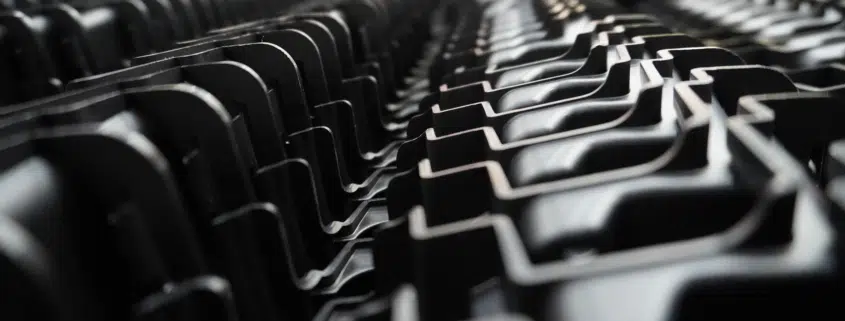
Sourcing custom plastic extrusion profiles from a UK manufacturer sounds simple enough. Send a drawing, get a quote, start production.
The reality is that there are more variables involved than most buyers expect, and the decisions made before a single metre is extruded have a direct bearing on whether a programme runs smoothly at volume or creates headaches further down the line.
This guide covers what to look for when specifying and sourcing custom profiles, what information you need to bring to a supplier, and what genuinely separates a manufacturer built for long-term high-volume production from one that isn’t.
What Do You Need to Specify a Custom Extrusion Profile?
Most delays at the start of a new extrusion programme come down to the same thing. The brief wasn’t complete enough when it first landed with the supplier. Tolerances weren’t specified. The end-use environment wasn’t mentioned. Volume requirements were vague. What should have been a straightforward kick-off turns into a week of back and forth before anyone can move forward, and that’s before a single design issue has been identified.
Getting to a quote quickly comes down to how complete your brief is when you first approach a supplier. The more detail you can provide upfront, the faster an experienced manufacturer can assess feasibility, advise on material or process, and get you to production.
At a minimum, you’ll need to provide:
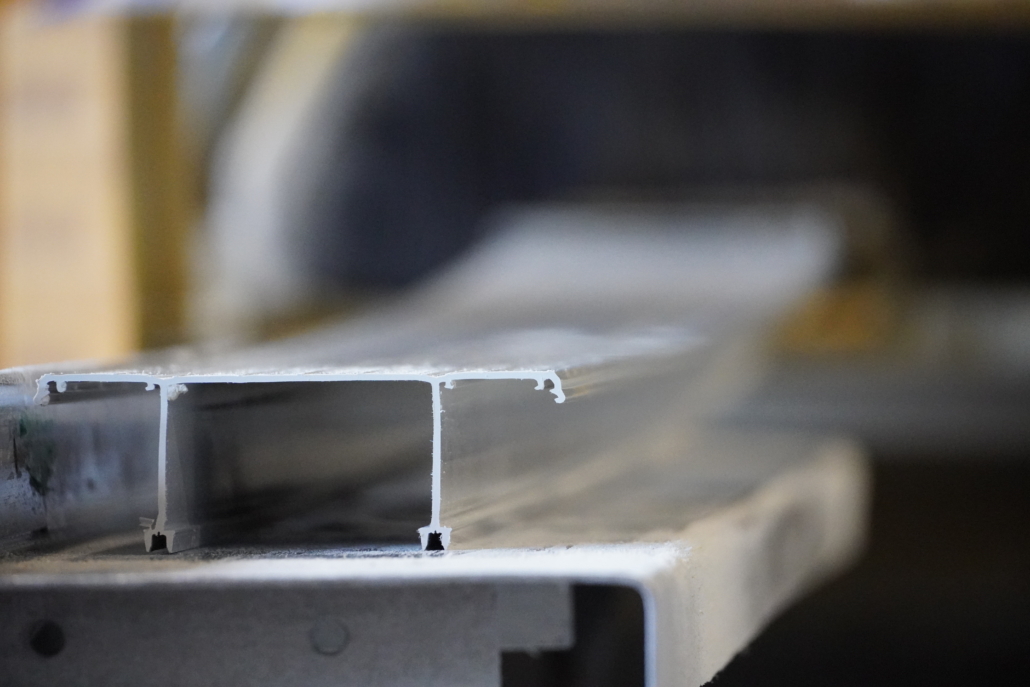
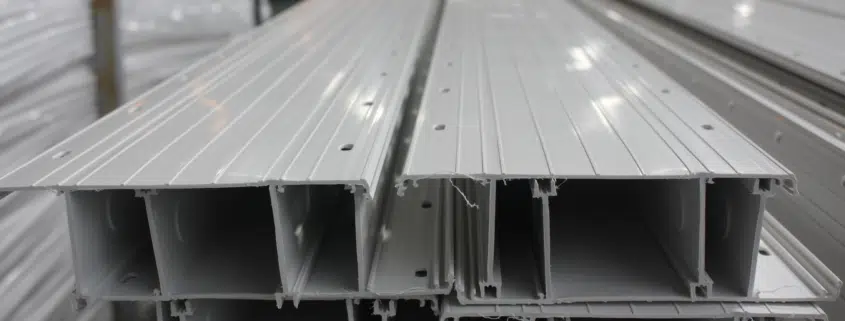
- A 2D cross-section drawing showing profile geometry and dimensions
- Your material requirement, or the performance properties you need the profile to meet if you’re not sure on material yet
- Dimensional tolerances
- Annual volume and typical run quantities
- The end-use environment, including temperature range, UV exposure, any chemical contact and whether flame retardancy is a requirement
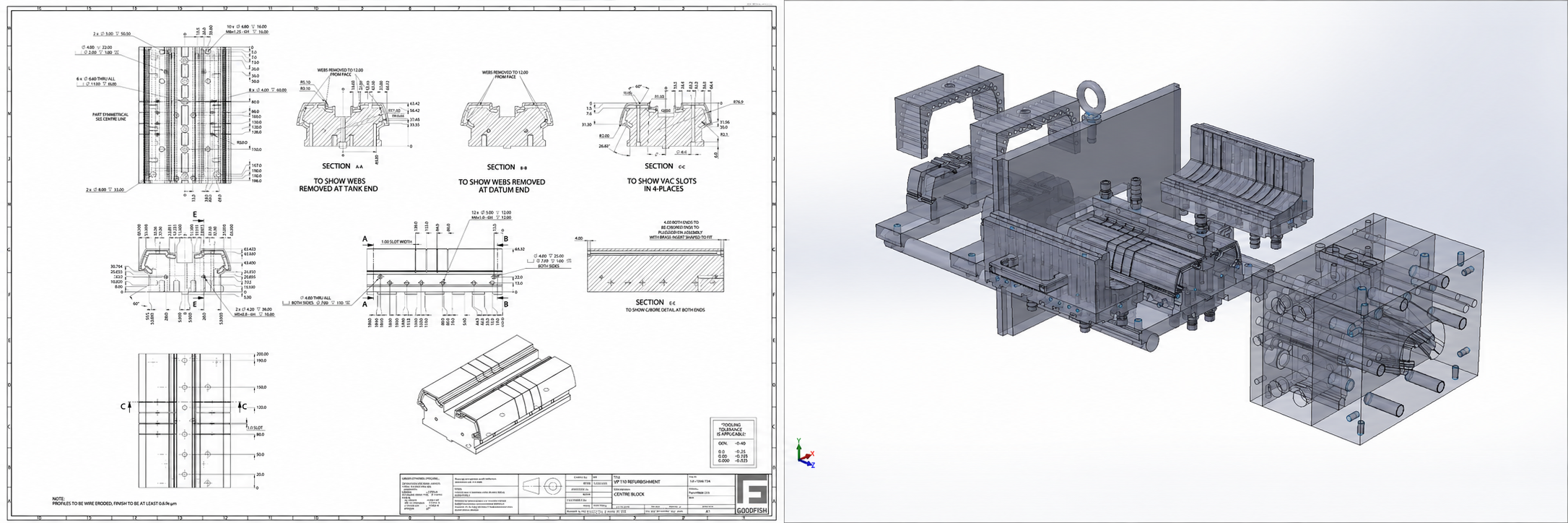
Once a drawing is received, the engineering team at Goodfish reviews it for manufacturability before any tooling is committed. That means checking wall thickness, geometry and tolerances against what will run reliably at volume. If there are potential issues, such as wall sections too thin to hold tolerance in production or geometry that would complicate the die, those get flagged and resolved before the programme starts rather than after.
It’s a step that saves time and cost, and it’s standard practice on every new project.
Co-Extrusion and Multi-Strand Extrusion. Do You Need Them?
Most buyers come to an extrusion supplier with a single-material, single-profile run in mind. That’s often the right answer. But there are two capabilities worth understanding before tooling is committed, because either one could simplify your production process or reduce your unit costs significantly.
Co-extrusion
Co-extrusion combines two different materials in a single continuous profile, run simultaneously through the same die. A common example is a rigid PVC body with a soft TPE edge, useful where the profile needs to make contact with another surface without causing damage or where a seal is required as part of the profile itself. Rather than bonding two separate components together downstream, you get one profile that does both jobs straight off the line.
Multi-strand extrusion
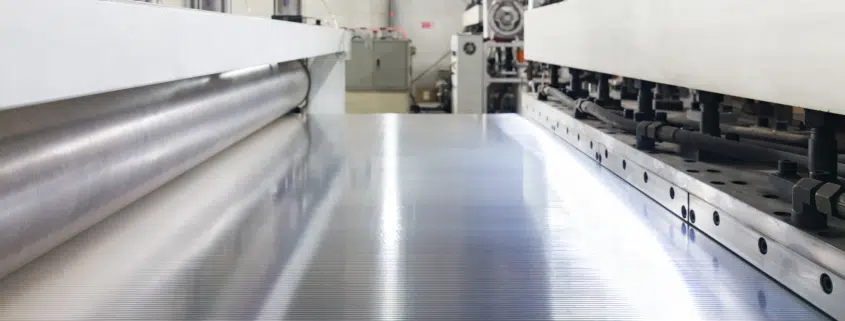
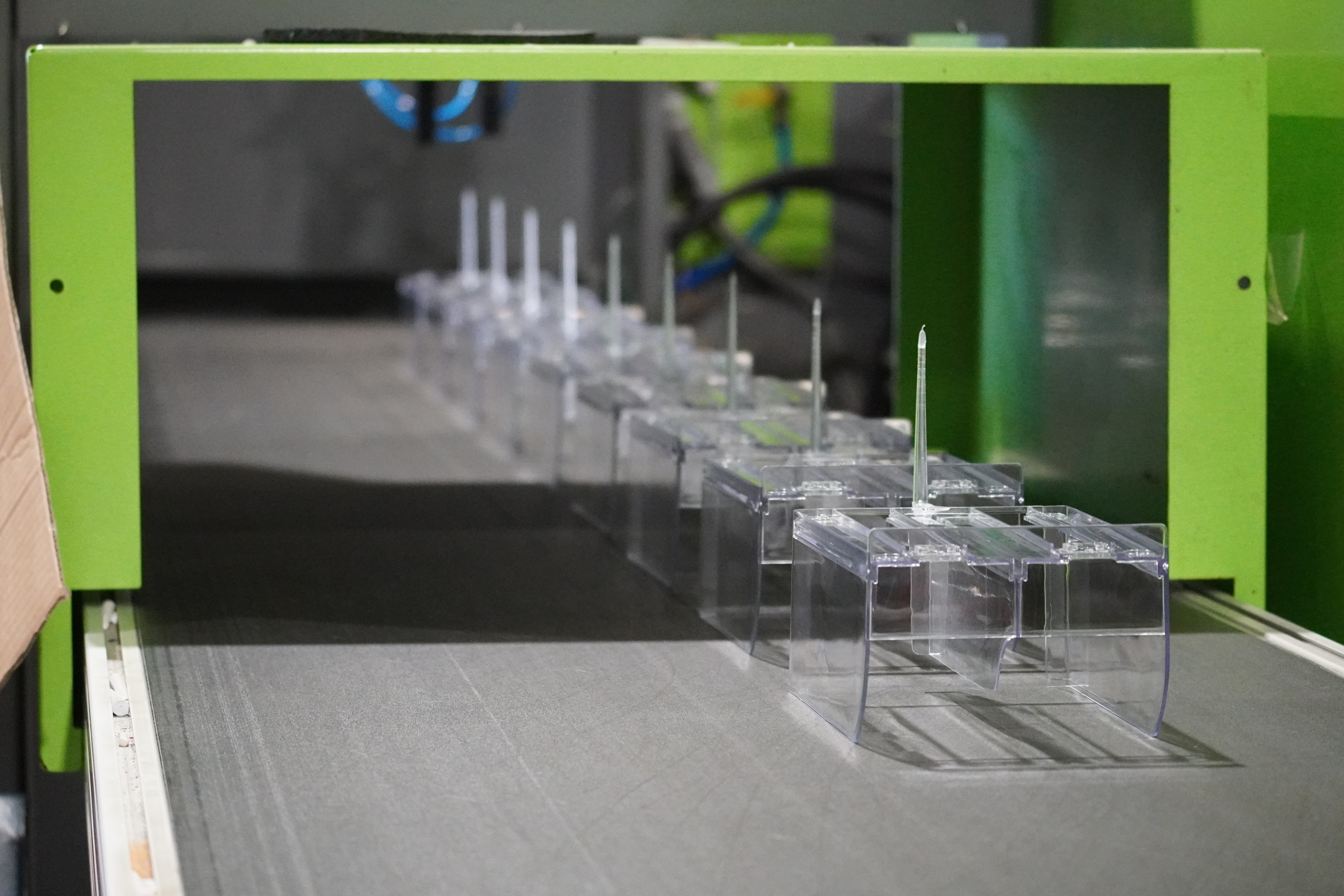
Multi-strand extrusion runs up to four profiles simultaneously in a single pass through the line. For customers with multiple profile SKUs or high volume requirements, this has a direct impact on output rates and unit economics. Rather than running each profile separately, multiple strands come off the line at the same time, which means more metres produced per hour and better utilisation of machine time.
If your current supply arrangement involves separate production runs for profiles that could be running together, it is worth raising with your manufacturer.
As with co-extrusion, the question to ask any supplier is simply whether they have the capability in-house and whether your application and volumes would benefit from it.
Neither option is complicated to specify if you’re working with a manufacturer who runs it regularly. The question to ask your supplier is simply whether they have the capability in-house and whether your application would benefit from it. A good manufacturer will tell you honestly if a single-material profile does the job just as well.
What both options have in common is that they remove process steps downstream. If your current design involves bonding, clipping or assembling separate components to achieve what a co-extruded profile could deliver in one pass, it’s worth having that conversation before tooling is finalised.
Secondary Operations. Don’t Let Finishing Become an Afterthought
One of the more common frustrations in extrusion supply is discovering late in the process that your manufacturer extrudes the profile and stops there. Cutting, drilling, punching, printing. Anything beyond the core extrusion run gets handed back to you to organise elsewhere. For a business running lean, that means managing an additional supplier relationship, additional handling, and additional opportunity for tolerance drift between processes.
It is worth asking any potential supplier what they can do with a profile after it comes off the line, before you commit to working with them.
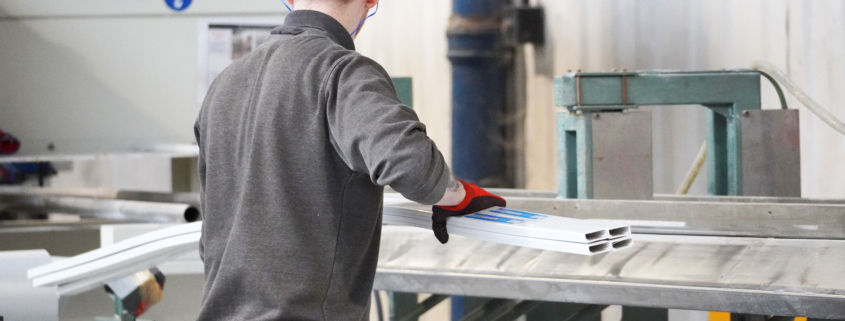
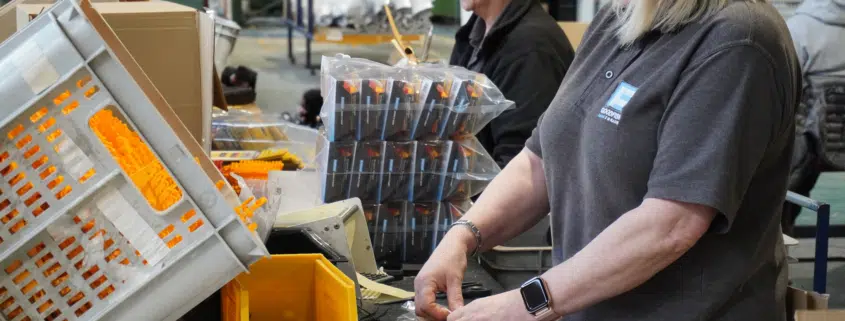
At Goodfish, secondary operations are integrated directly into the production workflow rather than treated as an add-on. That includes cutting to length, punching and drilling, double-sided tape application, protective film and inkjet printing at set intervals along the profile. Components leave the site ready for installation or direct assembly, without an intermediate step.
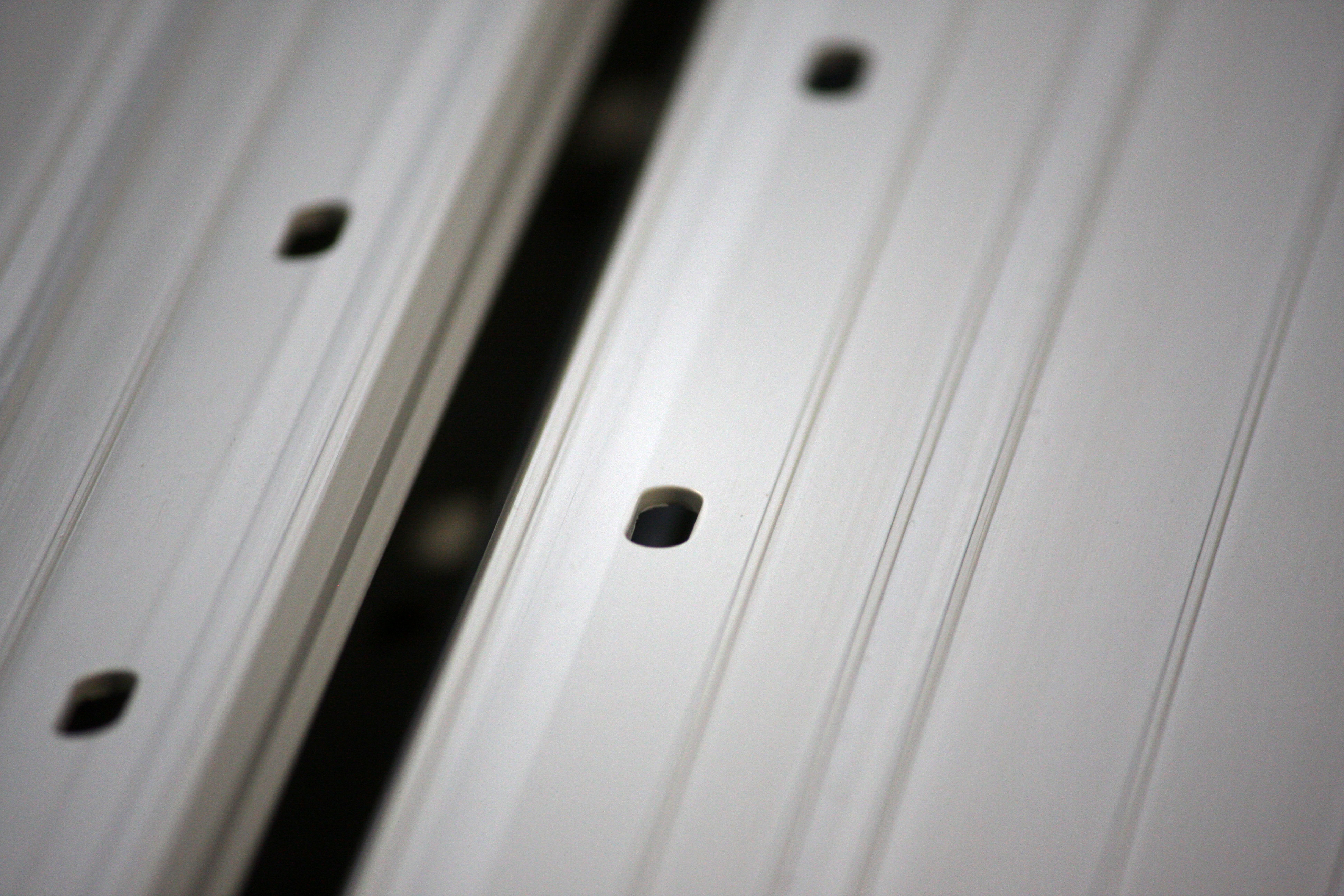
The practical benefit is consistency. When cutting and finishing happen in the same controlled environment as the extrusion itself, dimensional accuracy is maintained throughout. There is no additional handling between processes, no second supplier to coordinate, and no gap in the quality chain.
If your current supply arrangement involves collecting profiles from one supplier and sending them somewhere else to be finished, it is a process worth reviewing.
Tooling — Who Owns It, Where Is It Stored, and What Happens If You Switch Supplier?
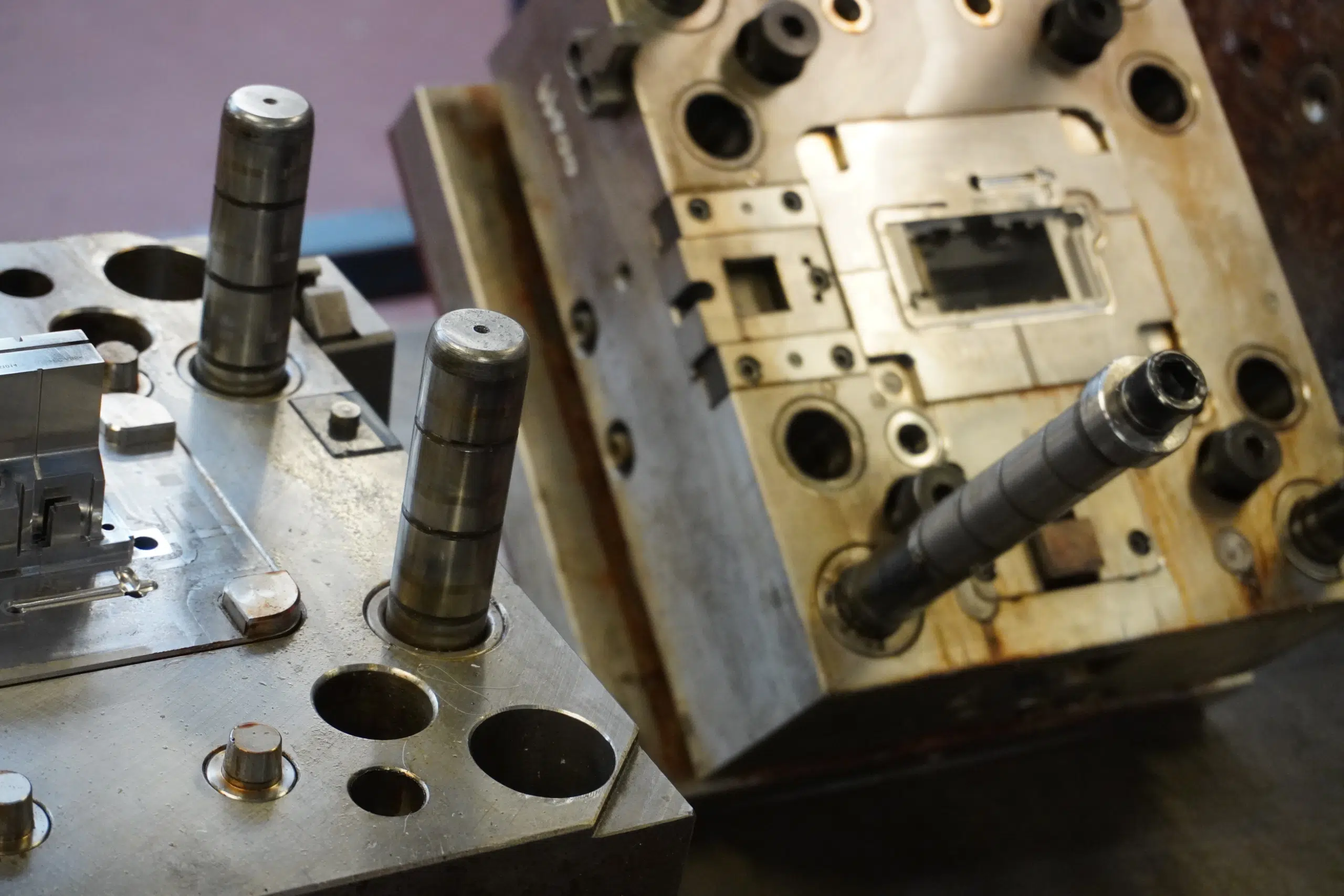
Tooling is one of those topics that doesn’t get enough attention at the start of a supplier relationship and becomes a significant issue later. The die is the most meaningful upfront cost in profile manufacturing, and the terms around it vary considerably between suppliers.
Before committing to any extrusion manufacturer, it is worth getting clear answers to three questions.
Who owns the die once it has been paid for? Some suppliers treat tooling as their own asset regardless of who funded it. That matters enormously if you ever need to move production.
Where is the tooling stored and how is it maintained? A die that sits in poor conditions between production runs will deteriorate. Consistency across batches depends on tooling being properly stored and maintained throughout the life of a programme.
What is the process if you want to transfer the tooling to another supplier? You should know the answer to this before you need it, not when you are already trying to move.

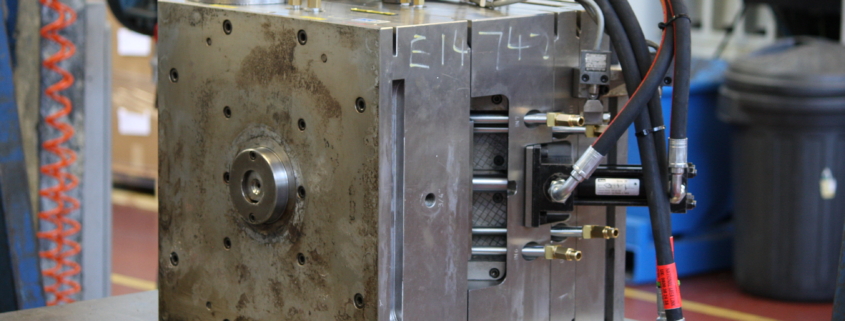
At Goodfish, all customer tooling is stored on site and covered by an ongoing MRO programme. That means dies are regularly inspected and maintained throughout the life of a programme rather than only looked at when something goes wrong. If you are currently working with a supplier where the tooling situation is unclear, Goodfish can also support tooling transfers, reviewing an existing die and running it on Goodfish lines, or advising whether retooling makes more sense given the profile geometry and volumes involved.
Tooling transparency is not a complicated ask. Any manufacturer worth working with long term should be able to answer those three questions without hesitation.
Why Source Custom Extrusion Profiles from a UK Manufacturer?
For many businesses, the decision to source from a UK manufacturer rather than overseas comes down to experience rather than preference. Lead times that looked acceptable on paper turn out not to be when a production line is waiting. Quality issues that would take a day to resolve domestically take weeks when the supplier is in another time zone. Tooling conversations that should be straightforward become complicated by language, distance and logistics.
None of this is a criticism of overseas manufacturing as a concept. For the right product and the right volumes it can work well. But for custom extrusion profiles that are running as part of an ongoing production programme, the case for keeping supply close to home is a strong one.
UK manufacture means shorter lead times on repeat runs, direct access to the engineering team when something needs resolving, and a supply chain that isn’t exposed to port delays, shipping disruptions or currency movements in the same way. For customers with carbon reporting requirements, a shorter supply chain also has obvious benefits from a transport emissions perspective.
There is also a practical point around communication. Being able to pick up the phone and speak directly to the people running your programme, in the same time zone, on the same working day, is something that is easy to take for granted until you no longer have it.
Why Choose Goodfish for Custom Plastic Extrusion Profiles?
There are a number of UK extrusion manufacturers to choose from. What follows is an honest account of what Goodfish brings to a programme and why it matters for customers running at volume.

Scale that supports long-term supply
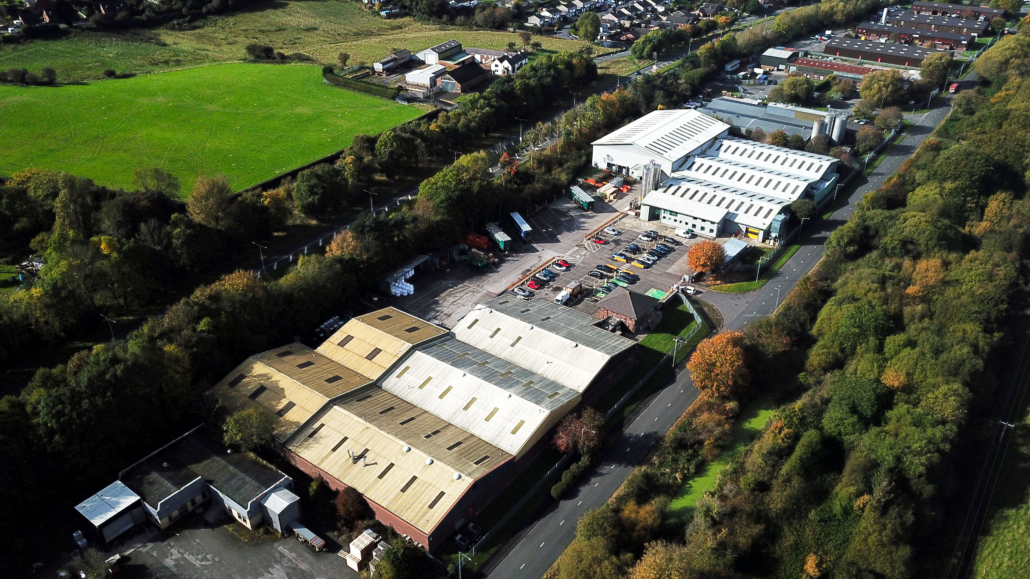
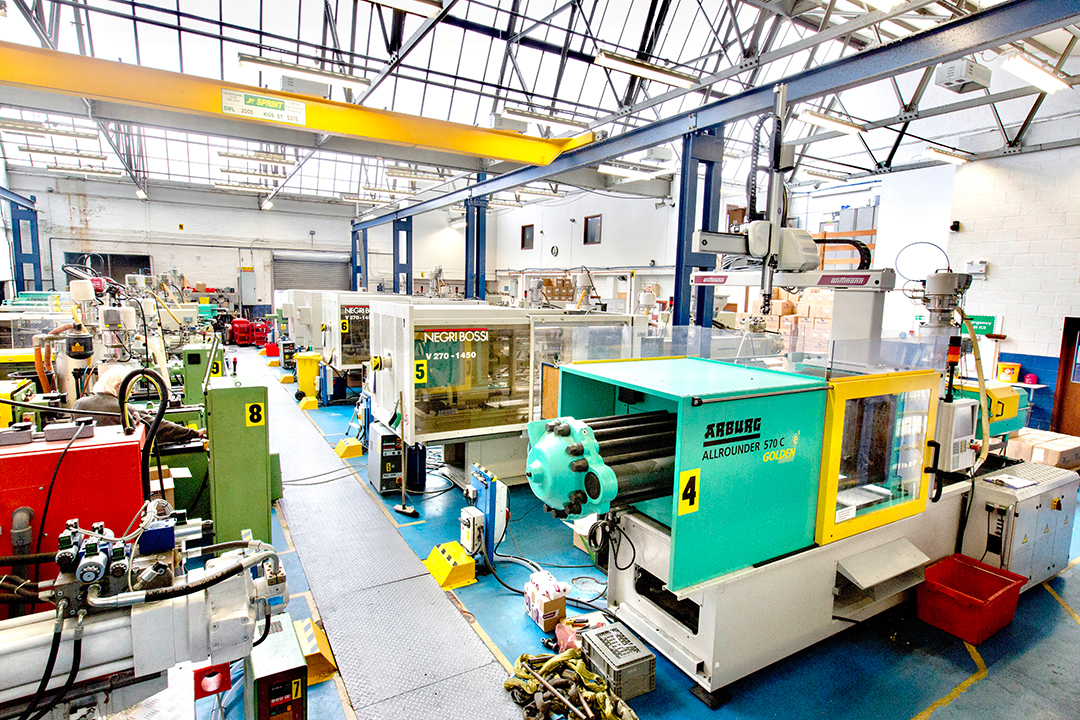
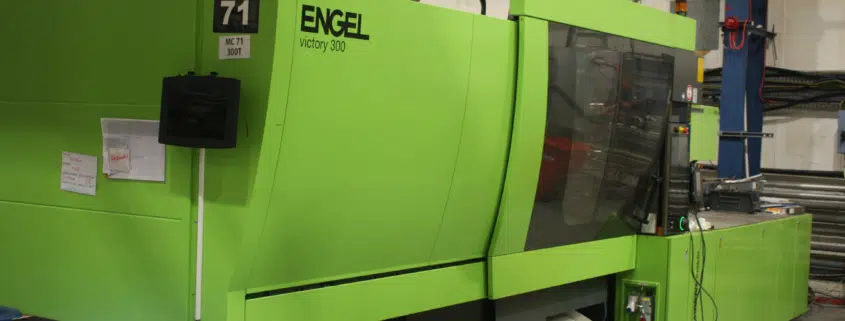
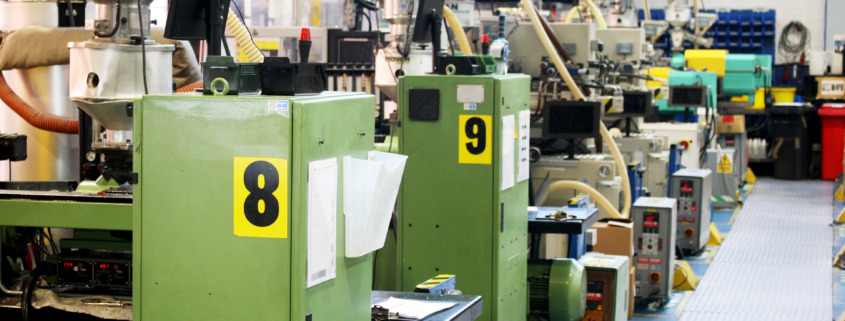
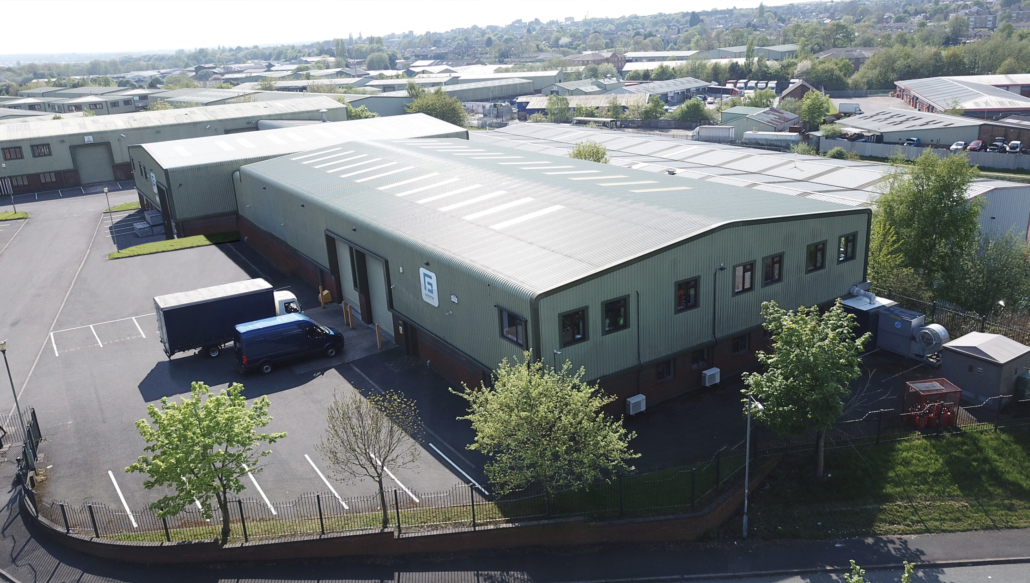
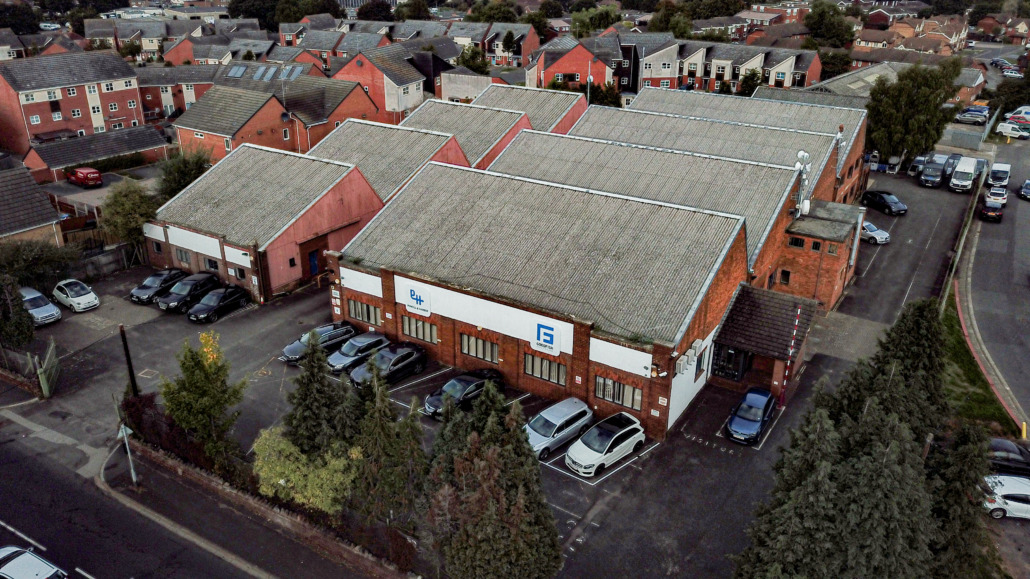
Goodfish operates 32 extrusion lines across two dedicated sites in North Wales, at St Asaph and Flint. That scale means customer programmes are not competing for capacity in the way they might be at a smaller operation. When volumes increase or a customer needs to bring forward a run, there is room to respond.
Production output reaches up to 350kg per hour depending on profile geometry and material, and the sites handle profiles up to 255mm x 60mm in cross-section, which covers the majority of construction, electrical and industrial applications.
Materials and process capability
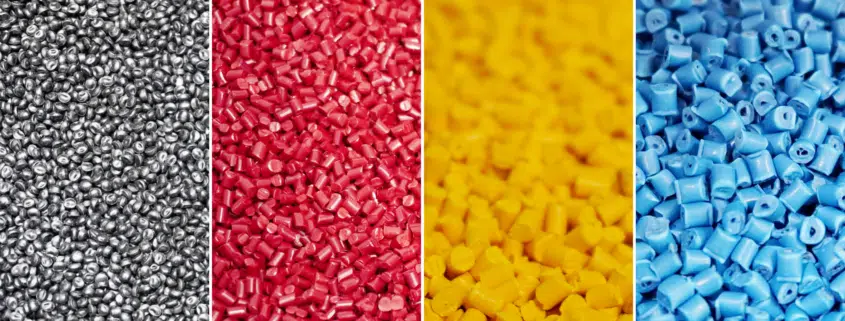
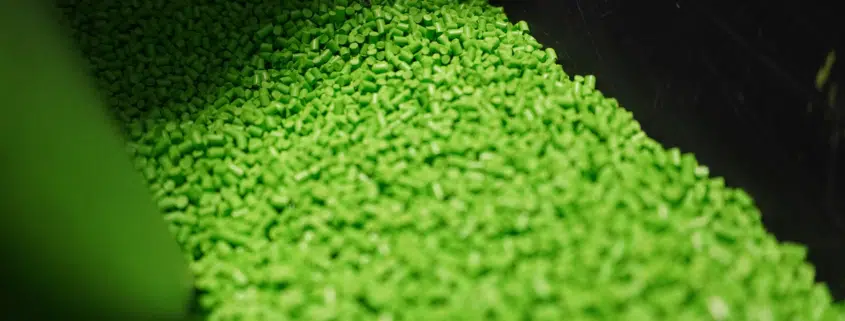
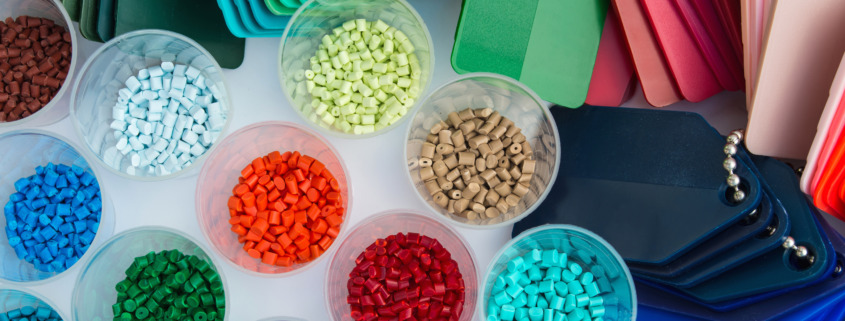
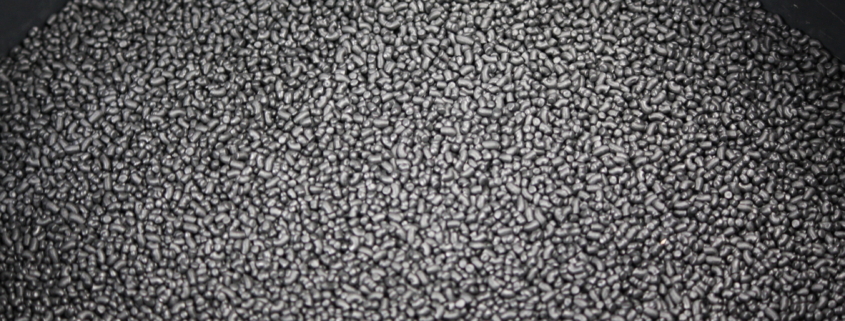
PVC accounts for the majority of production across both sites, with in-house compounding and blending giving Goodfish direct control over material consistency and colour matching without relying on external suppliers. PC-ABS is also processed at the Flint site for applications requiring higher impact resistance.
Co-extrusion and multi-strand extrusion are available for programmes where a single material or single profile run is not the most efficient solution, and the engineering team can advise on whether either option is appropriate for a given application.
Secondary operations in-house
Cutting, punching, drilling, tape application, protective film and inkjet printing are all handled on site and integrated into the production workflow. Profiles leave Goodfish ready for installation or assembly, without an additional finishing step elsewhere.
Tooling and MRO
All customer tooling is stored on site and covered by an ongoing MRO programme. Dies are maintained throughout the life of a programme so that repeat runs hold the same tolerances as the first. Tooling transfers from existing suppliers are also supported where customers are looking to move production to a more reliable or better-suited manufacturer.
Quality and certification
Both sites hold ISO 9001:2015, ISO 14001 and ISO 45001 certification. In-process quality control is carried out throughout production runs rather than only at the end, which means issues are caught early and consistency is maintained across batches.
A track record across the sectors that matter
Goodfish supplies extrusion profiles to customers in construction, electrical, automotive and industrial sectors. Many of those relationships are long-term programmes where consistent supply and reliable quality are non-negotiable. That is the kind of work Goodfish is set up to do well.
How to Get Started
If you have a profile requirement and you are evaluating UK manufacturers, the process of getting started with Goodfish is straightforward.
Send us your 2D cross-section drawing along with your material requirements, dimensional tolerances, annual volumes and any relevant end-use information such as temperature range, UV exposure or flame retardancy requirements. The more complete the brief, the faster the engineering team can assess feasibility and come back to you with a meaningful response.
Once a drawing is received, the team reviews it for manufacturability before anything else happens. If there are aspects of the design that need discussing before tooling is committed, those conversations happen at that stage rather than further down the line.
There is no commitment required at the point of sending a drawing. The review and initial feasibility assessment are part of how Goodfish approaches every new enquiry, because getting the details right at the start is what makes the rest of the programme run well.
To get the conversation started, use the contact details below or fill in the enquiry form and a member of the team will come back to you as soon as possible.
Frequently Asked Questions
What information do I need to provide to get a quote for a custom extrusion profile?
A 2D cross-section drawing is the most important thing. Alongside that, include your material requirements or the performance properties the profile needs to meet, dimensional tolerances, annual volumes and details about the end-use environment. The more complete your brief, the faster we can assess feasibility and come back to you with a quote.
Can you handle co-extrusion and multi-strand extrusion?
Yes. Both capabilities are available at Goodfish. Co-extrusion combines two different materials in a single continuous profile. Multi-strand extrusion runs up to four profiles simultaneously in one pass. If you are unsure whether either option would benefit your programme, the engineering team can advise before any tooling decisions are made.
Do you carry out secondary operations or just extrude the profile?
We handle secondary operations in-house including cutting to length, punching, drilling, double-sided tape application, protective film and inkjet printing. Profiles can leave our sites ready for installation or direct assembly.
Who owns the tooling?
You do. All customer tooling is stored and maintained at our sites under an ongoing MRO programme throughout the life of the programme.
Can you take over tooling from another supplier?
Yes. We support tooling transfers from existing suppliers and can review a die and run it on our lines. Where retooling makes more sense given the profile geometry or volumes involved, we will tell you that too.
What sectors do you supply?
We supply customers in construction, electrical, automotive and industrial sectors. If you are unsure whether your application is a good fit, get in touch and we will give you a straight answer.
Where are your extrusion sites based?
Both of our dedicated extrusion sites are in North Wales, at St Asaph and Flint.







 Goodfish Powell & Harber