Plastic Injection Moulding: Cosmetics Packaging in the UK
Plastic injection moulding is a crucial technology in manufacturing, revolutionising the production of various products. In the cosmetics industry, it’s essential for creating packaging that meets strict standards while being versatile and cost-effective.
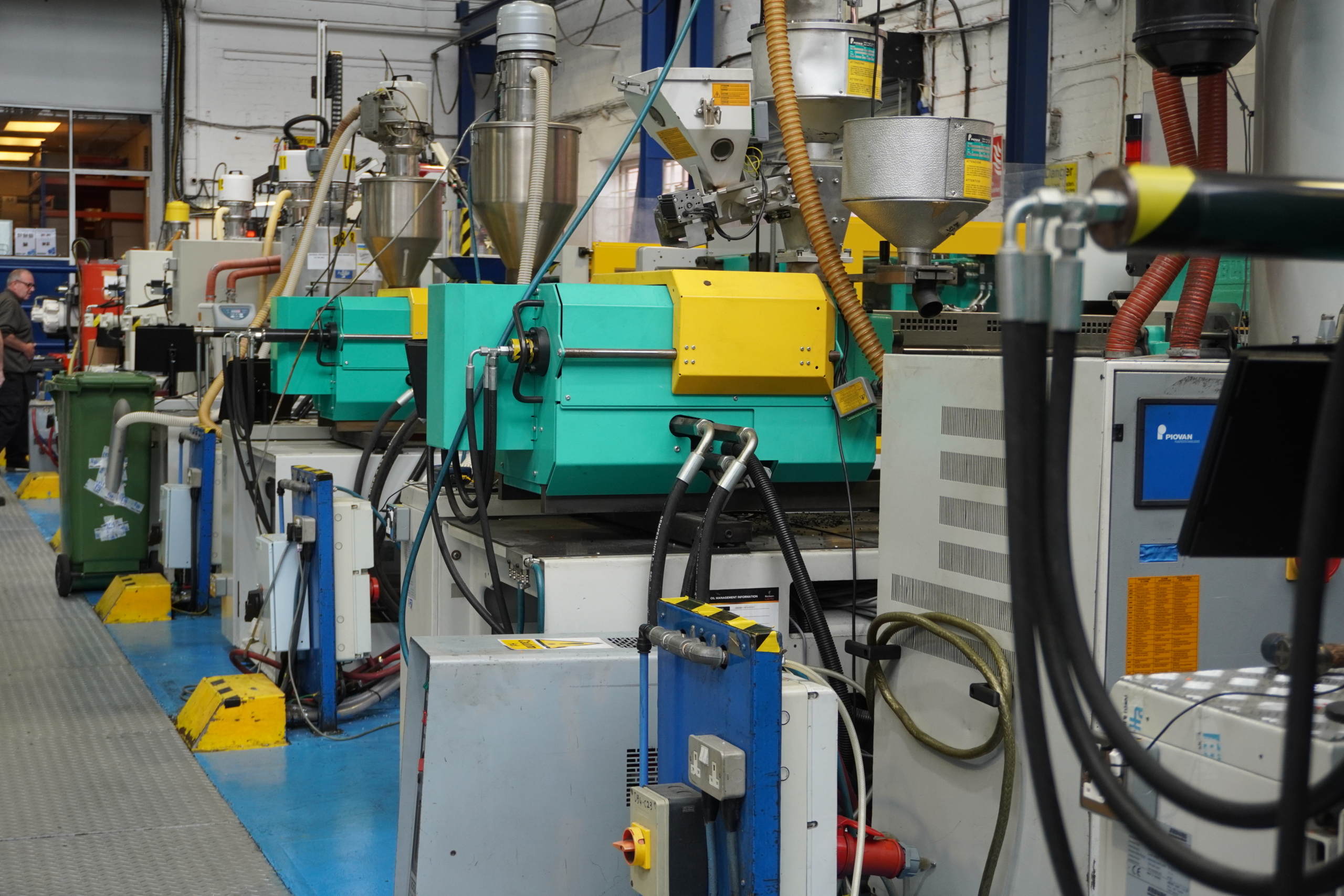
This process involves injecting molten plastic into a mould cavity at high pressure. Once cooled and solidified, it forms precise shapes, making it ideal for mass-producing plastic components.
Role of Plastic Injection Moulding in the Cosmetics Industry
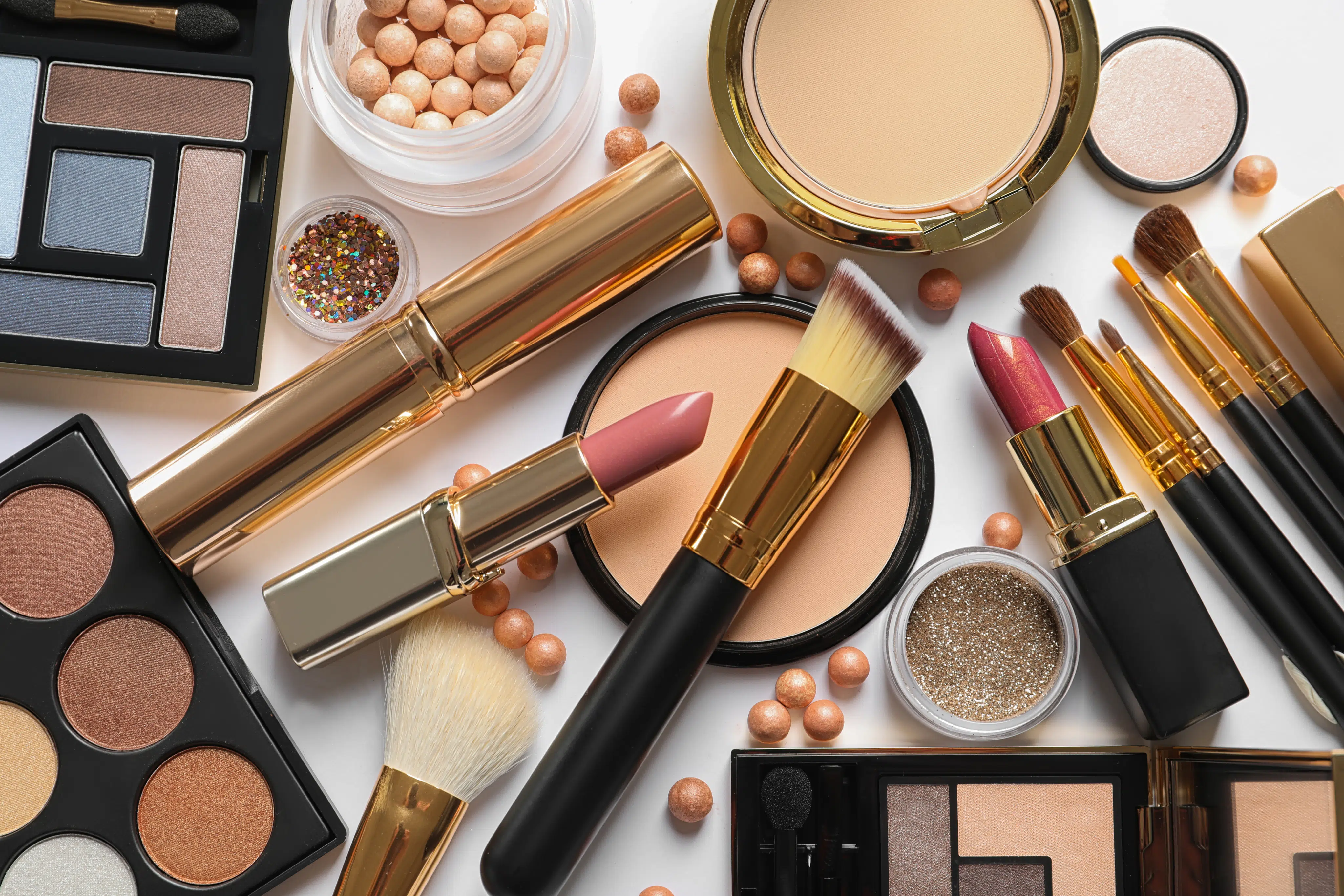
Plastic injection moulding is essential in the cosmetics industry, shaping packaging that combines aesthetics with practicality. Used in various products like lipstick cases and shampoo bottles, this process ensures detailed designs and maintains product quality.
In cosmetics, packaging represents more than just containers; it reflects brand identity and consumer experience. Plastic injection moulding is crucial, providing versatility and precision to realise innovative packaging ideas. Whether refining the shape of a lipstick tube or improving the functionality of a lotion dispenser, cosmetic brands depend on this process to execute their concepts.
Beyond aesthetics, the functionality of cosmetic packaging is vital. Plastic injection moulding creates packaging solutions that not only look good but also ensure usability and product protection. From secure closures to durable containers, plastic injection moulded components meet diverse consumer needs.
Moreover, the flexibility of plastic injection moulding fits well with the dynamic cosmetics industry. Brands quickly adapt packaging designs to changing trends and consumer preferences. Whether adding new features or experimenting with colours and textures, plastic injection moulding helps brands respond promptly to market demands.
Quality Standards in Cosmetic Packaging
Ensuring quality standards in cosmetic packaging is crucial within the UK cosmetics industry to maintain consumer safety and product effectiveness. Adhering to strict quality standards is essential, showcasing the industry’s dedication to preserving consumer trust and satisfaction.
Plastic injection moulding plays a crucial role in maintaining these quality standards by enabling the production of packaging that not only meets but exceeds regulatory requirements. This manufacturing process is highly effective in creating packaging that is both durable and visually appealing, meeting the discerning expectations of consumers.
Cosmetic brands can rely on plastic injection moulding to ensure that their packaging meets the highest quality standards. From achieving precise dimensions to ensuring structural integrity, this manufacturing process leaves no room for compromise concerning the quality of plastic products used in cosmetic packaging.
Ultimately, plastic injection moulding is synonymous with high-quality cosmetic packaging. It serves as a foundation in the industry’s commitment to delivering products that not only meet but surpass consumer expectations, reinforcing the UK cosmetics industry’s reputation for reliability and excellence.
Customisation and Design Flexibility
Customisation and design flexibility are essential aspects of plastic injection moulding, providing cosmetic brands with valuable opportunities to tailor packaging according to their specific needs. A notable advantage of this manufacturing process is its ability to accommodate custom designs and branding requirements seamlessly.
Cosmetic brands use this flexibility to develop packaging solutions that are not only unique but also resonate strongly with their target audience. Plastic injection moulding enables brands to realise their creative visions by offering options such as bespoke shapes, sizes, colour schemes and textures in packaging design.
Furthermore, the versatility of plastic injection moulding extends to advanced techniques like multi-shot moulding, expanding the possibilities for intricate and innovative designs. This technique enables the integration of multiple materials or colours within a single moulding cycle, facilitating the creation of complex and visually appealing packaging designs effortlessly.
Plastic injection moulding empowers cosmetic brands to experiment with various design elements, ensuring that their packaging stands out in a competitive market. Whether incorporating distinctive features or seamlessly integrating branding elements, the flexibility of plastic injection moulding enables brands to develop packaging solutions that not only attract attention but also leave a lasting impression on consumers.
Sustainability and Environmental Concerns
Concerns regarding sustainability and the environment have gained increasing attention in discussions surrounding plastic injection moulding. Despite its widespread use, this manufacturing process is being closely examined due to potential environmental implications. However, there are promising developments in materials and recycling technologies offering solutions to address these concerns within the cosmetics industry. Embracing these innovations enables manufacturers to make significant progress in reducing plastic waste. One such solution involves the use of recycled materials as raw material for plastic injection moulding. By integrating recycled materials into the production process, manufacturers not only lessen their environmental impact but also contribute to the circular economy by repurposing existing resources. This transition towards sustainability not only benefits the environment but also meets consumer expectations for eco-friendly practices in the cosmetics industry.
Technological Advancements
Technological advancements have significantly advanced plastic injection moulding, transforming the manufacturing process. Through a focus on innovation, remarkable progress has been made in improving production efficiency and product quality. Automated processes have streamlined operations, reducing the reliance on manual labour and increasing overall efficiency. Additionally, the integration of 3D printing technology has expanded the scope of possibilities, enabling the creation of intricate designs with exceptional precision.
This ongoing evolution in plastic injection moulding technology benefits not only individual manufacturers but also drives growth and competitiveness across the industry. Companies that embrace these advancements gain a significant competitive advantage, allowing them to deliver products more efficiently and with higher quality.
Furthermore, it’s important to recognise the historical development of the injection moulding process. Originating during World War II, this technology has undergone significant transformations since its inception during World War II, thanks to pioneers like John Wesley Hyatt, an American inventor. Their ingenuity and dedication laid the foundation for the modern plastic injection moulding industry, shaping it into the efficient and sophisticated system it is today. As we continue to push the boundaries of innovation, the future of plastic injection moulding holds even more potential, driving further advancements and reshaping manufacturing processes.
Challenges and Limitations
Plastic injection moulding, while advantageous, faces challenges and limitations that can hinder manufacturers. Material selection and tooling costs are prominent among these hurdles. However, strategic planning and innovation provide avenues to overcome these obstacles.
Material selection is crucial in plastic injection moulding due to the diverse properties and characteristics of different materials. Choosing the appropriate material for a specific application is complex and requires consideration of factors like durability, flexibility and environmental impact.
Tooling costs pose another challenge as the design and production of moulds can be costly and time-intensive. Nonetheless, advancements in technology and manufacturing processes have led to innovations that mitigate tooling costs and enhance efficiency.
One such innovation is the implementation of reciprocating screws in injection moulding machines. This technology has transformed the production process by improving efficiency and reducing costs. Reciprocating screws enable better control over material melting and mixing, resulting in consistent and high-quality parts. Moreover, they decrease cycle times and energy consumption, leading to further cost savings.
By addressing challenges such as material selection and tooling costs through strategic planning and innovation, manufacturers can optimise the benefits of plastic injection moulding and maintain competitiveness in the market.
Conclusion
Plastic injection moulding is a fundamental technology in the UK cosmetics industry, providing versatility, efficiency, and design flexibility. As the industry progresses, sustainable practices and technological advancements will play a key role in driving innovation and determining the future of cosmetic packaging.
FAQs
1. What are the main advantages of plastic injection moulding in cosmetics?
Plastic injection moulding offers precise detailing, design flexibility, and cost-effectiveness, making it ideal for producing intricate cosmetic packaging.
2. How does plastic injection moulding contribute to sustainability in the cosmetics industry?
By enabling the production of lightweight, recyclable packaging, plastic injection moulding helps reduce environmental impact and promotes sustainable practices.
3. Are there any regulatory standards for cosmetic packaging in the UK?
Yes, the UK follows strict regulations governing cosmetic packaging to ensure product safety and consumer protection.
4. Can plastic injection moulding cater to custom design requirements?
Yes, plastic injection moulding allows for custom designs, colours, and finishes, enabling cosmetic brands to create packaging that reflects their unique brand identity.
5. What factors should cosmetic brands consider when choosing a moulding partner?
Cosmetic brands should consider factors such as expertise, quality standards, production capacity and sustainability practices when selecting a moulding partner.
READY TO START?
To get your components or sub-assemblies manufactured by us, you can call our team on 01543 462 561 or send an email enquiry to [email protected]. Our team of experts will be in contact within hours to help you with your project.
We can advise on the design of your product to suit the manufacturing processes required. We can organise tooling for you and manage the project for you so that you receive conforming parts at a competitive price. And we’ll keep doing that for you for as many years as you need us to.