Revolutionising Medicine: The Impact of 3D Printing on the Medical Industry
The field of medicine has witnessed remarkable advancements in recent years, with the integration of cutting-edge technologies in medical procedures. One of the most transformative technologies in the medical industry is 3D printing, which is revolutionising how healthcare providers approach diagnosis, treatment, and patient care. 3D printing has made it possible to create complex medical models and implants, providing precision and accuracy in medical procedures. This blog post explores the impact of 3D printing on the medical industry.
Advantages of 3D Printing in Medicine
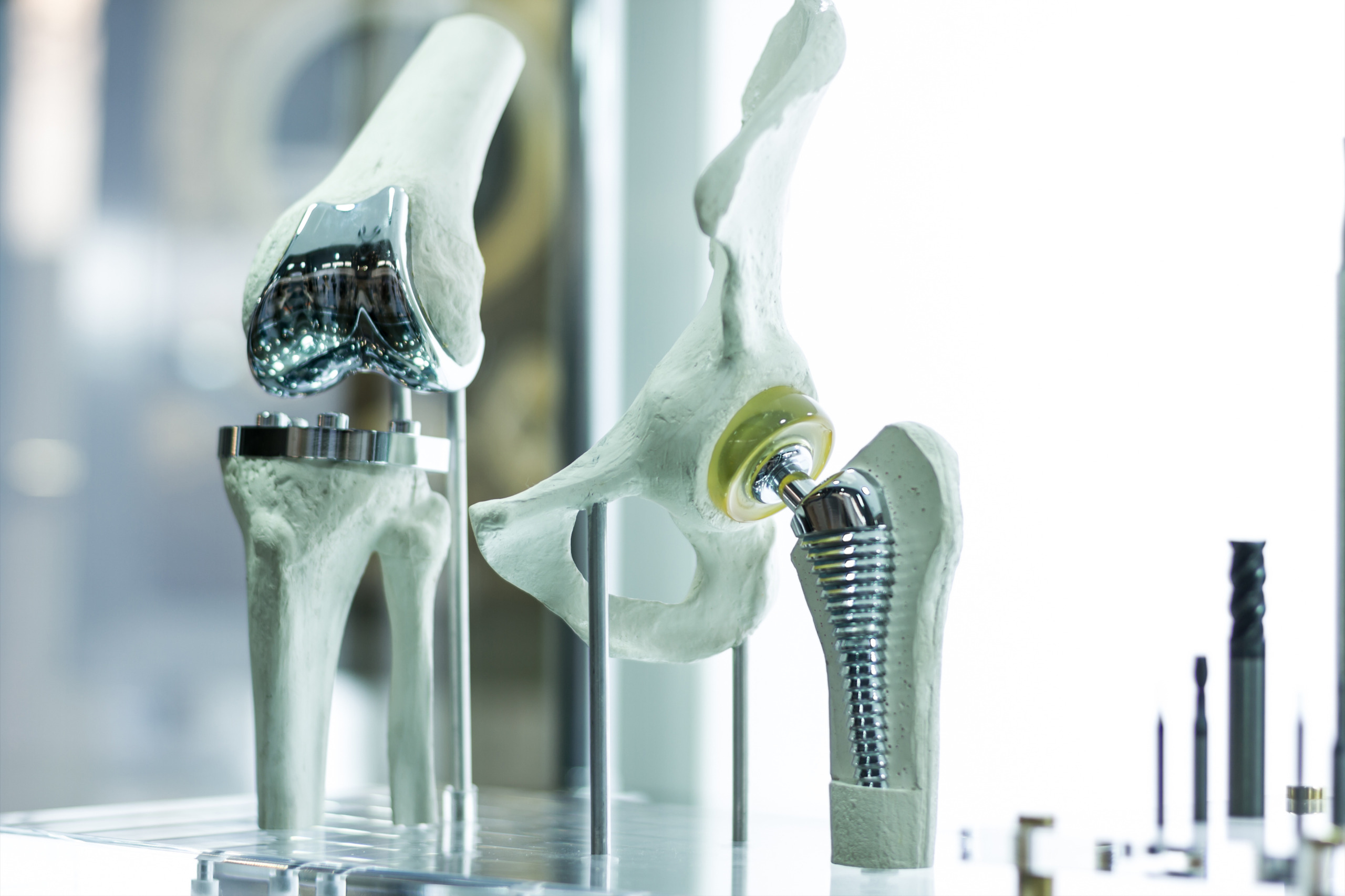
One of the key advantages of 3D printing in medicine is its ability to create patient-specific models, implants, and prosthetics. Traditional manufacturing methods rely on mass production, which often results in generic products that may not fit the unique anatomy of each patient. With 3D printing, medical professionals can create customised implants and prosthetics that match the exact size and shape of a patient’s body. This leads to better patient outcomes, increased comfort, and reduced risk of complications.
Another advantage of 3D printing in medicine is its ability to create complex shapes and structures that are difficult or impossible to produce with traditional manufacturing methods. For example, 3D printing can be used to create intricate models of organs or bones, allowing medical professionals to practice complex surgeries and improve their skills. Additionally, 3D printing can be used to create customised surgical tools and medical devices, reducing the risk of errors and improving the overall quality of healthcare.
Applications of 3D Printing in Medicine
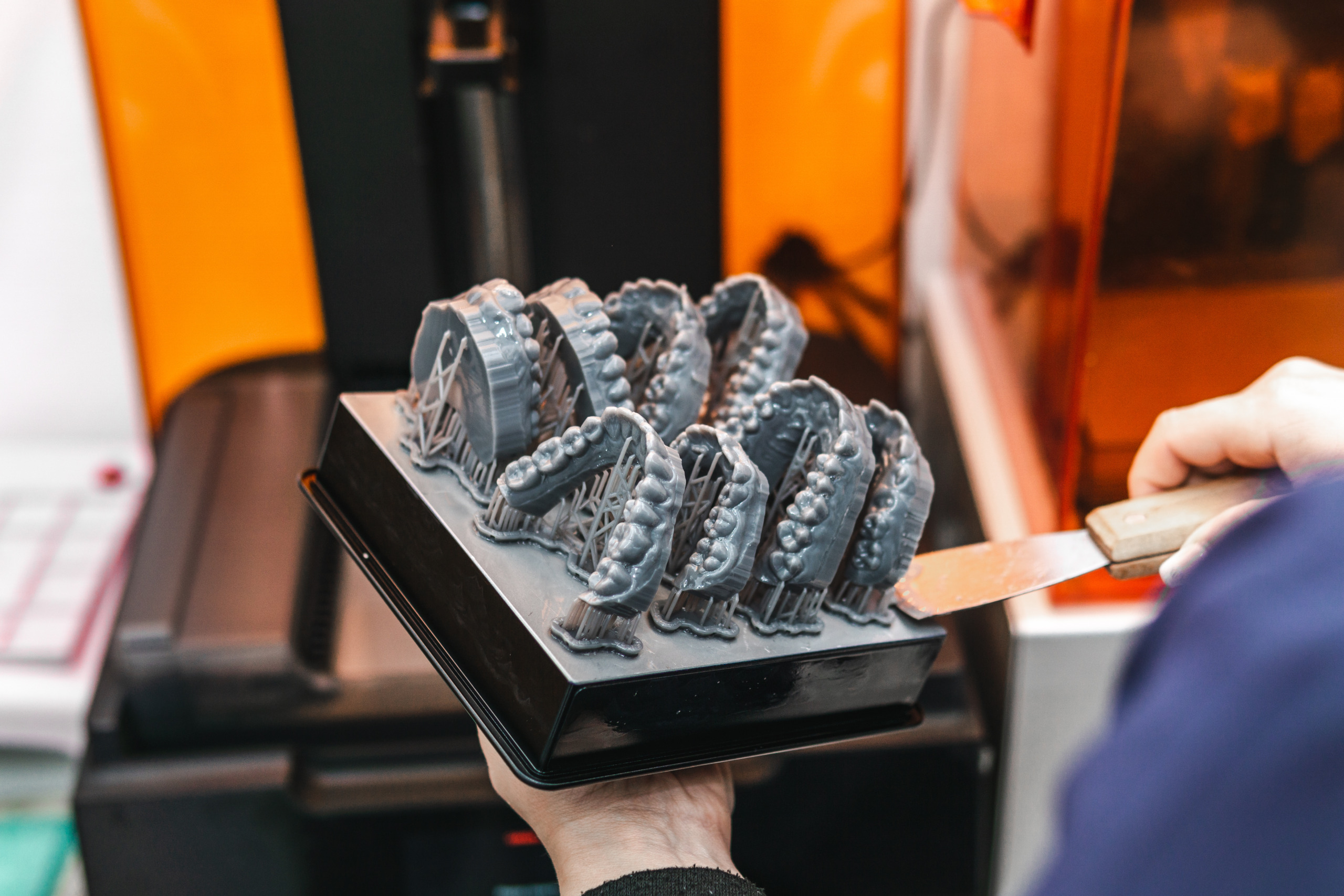
The applications of 3D printing in medicine are diverse and constantly expanding. One area where 3D printing is particularly useful is in the production of anatomical models. Medical professionals can use these models to study the structure and function of various organs and tissues, making it easier to plan surgeries and other medical procedures. Additionally, these models can be used to educate patients about their conditions and treatment options, helping them to better understand their healthcare and make informed decisions.
- Custom prosthetics: 3D printing allows doctors to create custom-fitted prosthetic limbs that are perfectly matched to a patient’s anatomy. This can provide a much higher level of comfort and function than traditional prosthetics. In fact, a study published in the journal PLOS One found that patients who used 3D-printed prosthetics were more likely to be satisfied with their prosthetics and to use them more often.
- Patient-specific surgical guides: 3D printers can be used to create patient-specific surgical guides that can help surgeons plan and execute complex procedures. This can lead to shorter surgeries, less blood loss, and faster recovery times for patients. For example, surgeons can use 3D-printed guides to help them place implants in the correct position during hip and knee replacement surgery.
- Drug development: Researchers are using 3D printers to create models of human organs and tissues, which can be used to test the safety and efficacy of new drugs. This can help to speed up the drug development process and reduce the cost of developing new medications. For example, researchers at the University of Manchester have created a 3D-printed model of the human heart that can be used to test new drugs for heart disease.
- Personalised medicine: 3D printing is also being used to create personalized medicines, such as drugs and implants that are tailored to the specific needs of individual patients. This can lead to improved patient outcomes and reduced side effects. For example, a company called Organovo is developing 3D-printed liver tissue that can be used to test new drugs for liver disease.
- 3D printing in dentistry: 3D printing is being used to create custom-fitted dental implants, crowns, and bridges. This can provide a much higher level of comfort and function than traditional dental prosthetics. In fact, a study published in the journal Clinical Implant Dentistry and Related Research found that patients who used 3D-printed dental implants were more likely to be satisfied with their implants and to use them more often.
- 3D printing in ophthalmology: 3D printers are being used to create custom-fitted contact lenses and intraocular lenses. This can provide a much better fit and vision correction than traditional contact lenses and intraocular lenses. In fact, a study published in the journal Ophthalmology found that patients who used 3D-printed contact lenses were more likely to be satisfied with their lenses and to experience fewer problems with their vision.
- 3D printing in dermatology: 3D printers are being used to create custom-fitted skin grafts and wound dressings. This can help to improve the healing of burns and other skin injuries. In fact, a study published in the journal Burns found that patients who used 3D-printed skin grafts were more likely to have their wounds heal completely than patients who used traditional skin grafts.
- 3D printing in orthopaedics: 3D printers are being used to create custom-fitted prosthetic limbs and orthotics. This can provide a much higher level of comfort and function than traditional prosthetic limbs and orthotics. In fact, a study published in the journal Prosthetics and Orthotics International found that patients who used 3D-printed prosthetic limbs were more likely to be satisfied with their prosthetics and to use them more often.
- 3D printing in surgery: 3D printers are being used to create surgical guides and implants. This can help to improve the accuracy and safety of surgery. In fact, a study published in the journal The Journal of Bone and Joint Surgery found that surgeons who used 3D-printed surgical guides were more likely to achieve successful outcomes than surgeons who did not use 3D-printed surgical guides.
These are just a few of the ways that 3D printing is being used in healthcare. As the technology continues to develop, we can expect to see even more innovative and ground-breaking applications of 3D printing in the medical field.
Future Prospects of 3D Printing in Medicine
The prospects of 3D printing in medicine are exciting and far-reaching. One area of research that shows promise is 3D bioprinting, which involves printing living tissue and organs. With 3D bioprinting, it may be possible to produce functional organs for transplant, eliminating the need for donors and reducing the risk of rejection. Additionally, 3D bioprinting could be used to produce skin grafts, cartilage, and other tissues for regenerative medicine.
Another area of research that shows promise is the use of 3D printing in drug development. With 3D printing, it may be possible to create patient-specific drug dosages, improving the effectiveness of medications and reducing the risk of side effects. Additionally, 3D printing could be used to produce drug delivery devices, such as inhalers or transdermal patches, that are customised to each patient’s needs.
Overall, 3D printing is a transformative technology that has the potential to revolutionise the medical industry. Its advantages in precision, customisation, and cost-effectiveness make it an essential tool for medical professionals in various fields. The applications of 3D printing in medicine are diverse and constantly expanding, with ongoing research and development aimed at expanding its potential even further. As the technology continues to evolve, it is likely that 3D printing will become an indispensable part of the medical field, providing better patient outcomes, and improving the overall quality of healthcare.
READY TO START?
To get your components or sub-assemblies manufactured by us, you can call our team on 01543 462 561 or send an email enquiry to [email protected]. Our team of experts will be in contact within hours to help you with your project.
We can advise on the design of your product to suit the manufacturing processes required. We can organise tooling for you and manage the project for you so that you receive conforming parts at a competitive price. And we’ll keep doing that for you for as many years as you need us to.