The Advantages of Using Collaborative Robots (Cobots) in Injection Moulding
Automation has become a critical component of the injection moulding process, with manufacturers increasingly turning to robots to improve efficiency, productivity, and quality. Collaborative robots (cobots) are a type of robot that can work alongside human operators in a shared workspace, providing numerous advantages over traditional robots. In this article, we’ll explore the advantages of using cobots in injection moulding in greater detail.
Improved Safety
Cobots are designed to be safe to work alongside humans, with features such as force-limiting, power and speed monitoring, and collision detection. These features enable cobots to operate in close proximity to human operators without posing a threat to their safety. By incorporating cobots into the injection moulding process, manufacturers can reduce the risk of workplace accidents, injuries, and fatalities. Additionally, cobots can perform repetitive or hazardous tasks, reducing the risk of repetitive strain injuries or exposure to hazardous materials.
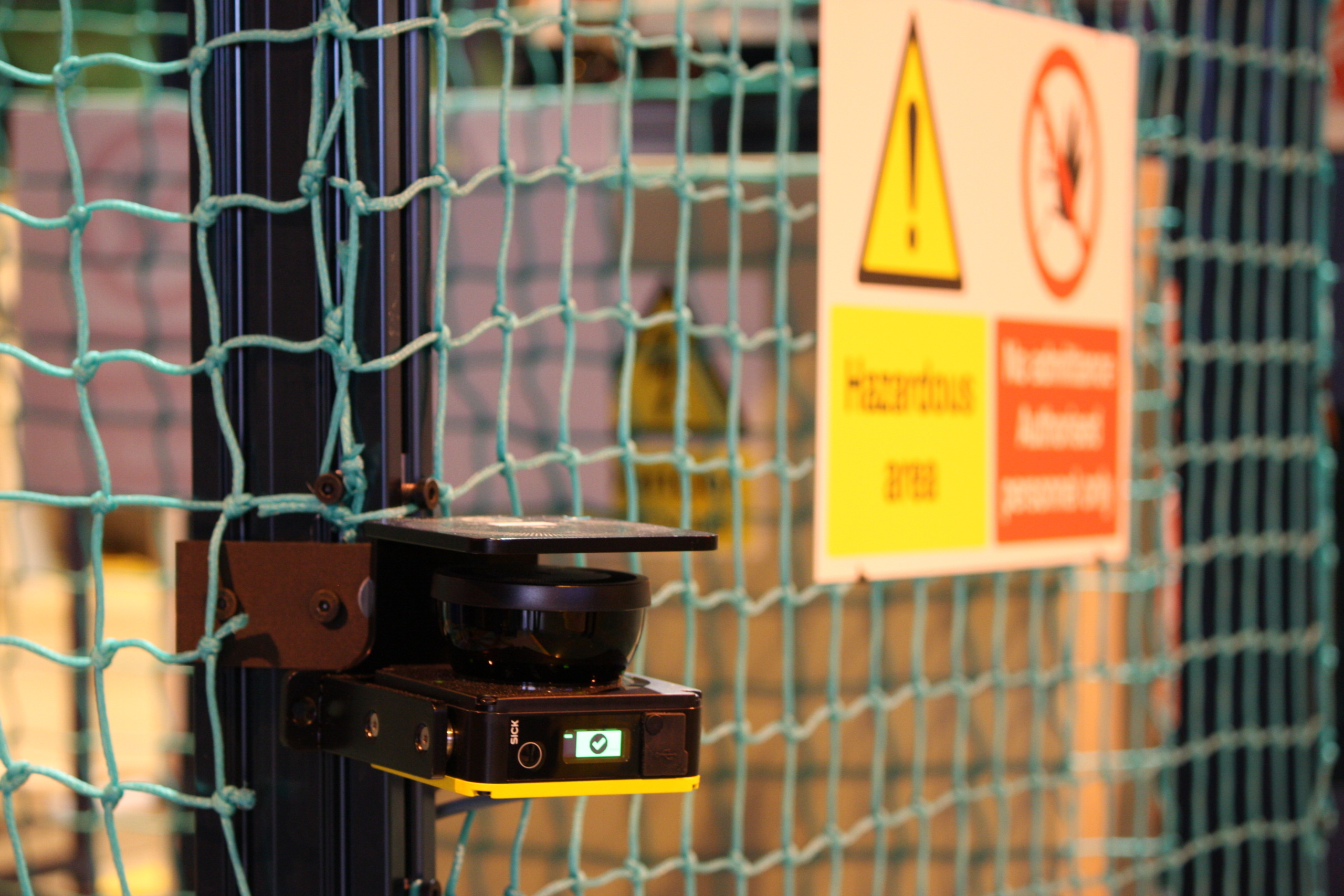
To ensure maximum safety when working with cobots, manufacturers should follow best practices for cobot integration, including conducting a risk assessment, implementing safety measures such as fencing or light curtains, and providing appropriate training to human operators.
Increased Flexibility
Cobots are highly adaptable and can be easily reprogrammed to perform different tasks, making them ideal for injection moulding operations that require frequent changeovers or customisation. Unlike traditional robots that are programmed to perform a single task, cobots can be programmed to perform a wide range of tasks, such as loading and unloading parts, inspecting parts, or trimming excess material.
Cobots can also work in collaboration with human operators, providing additional flexibility and versatility to the injection moulding process. Human operators can work alongside cobots, performing tasks that require manual dexterity or decision-making skills, while cobots perform repetitive or physically demanding tasks.
Improved Quality
Cobots can perform highly precise and repeatable tasks, ensuring consistent quality and reducing the risk of errors or defects. By incorporating cobots into the injection moulding process, manufacturers can improve product quality and reduce waste. Cobots can perform tasks such as part inspection or quality control, ensuring that each part meets the required specifications.
Cobots can also help to reduce the risk of contamination or defects by handling parts in a controlled and consistent manner. This can help to improve the quality of the final product and reduce the need for rework or scrap.
Increased Efficiency
Cobots can work alongside human operators, increasing the overall productivity of the injection moulding process. Cobots can perform tasks that are repetitive or physically demanding, freeing up human operators to perform more complex or value-added tasks. This can help to improve the overall efficiency of the injection moulding process, reducing cycle times, and increasing throughput.
Cobots can also work 24/7, without the need for breaks or downtime, further increasing the efficiency of the injection moulding process. By maximising the utilisation of the injection moulding equipment, manufacturers can increase their production capacity and reduce their per-unit costs.

Cost Savings
Cobots are often less expensive than traditional robots, making them a cost-effective solution for injection moulding operations. Additionally, cobots require less floor space and can be easily reprogrammed to perform different tasks, reducing the need for additional equipment or resources. Cobots can also help to reduce labour costs by performing tasks that would otherwise require human operators.
By incorporating cobots into the injection moulding process, manufacturers can achieve significant cost savings, improving their profitability and competitiveness.
Improved Employee Satisfaction
Cobots can reduce the physical demands of injection moulding tasks, improving employee satisfaction, and reducing the risk of injury or burnout. By taking over repetitive or physically demanding tasks, cobots allow human operators to focus on tasks that require creativity, decision-making skills, and critical thinking. This can lead to increased job satisfaction and reduced employee turnover.
Conclusion
Collaborative robots (cobots) are an increasingly popular solution for injection moulding operations, providing numerous advantages over traditional robots. From improved safety and flexibility to increased efficiency and cost savings, cobots offer a range of benefits that can help manufacturers to improve their productivity, quality, and profitability.
By incorporating cobots into their injection moulding process, manufacturers can not only reduce the risk of workplace accidents and injuries but also increase their production capacity, reduce costs, and improve employee satisfaction. With the injection moulding industry continuing to grow, cobots are likely to become an increasingly important part of the manufacturing landscape.
READY TO START?
To get your components or sub-assemblies manufactured by us, you can call our team on 01543 462 561 or send an email enquiry to [email protected]. Our team of experts will be in contact within hours to help you with your project.
We can advise on the design of your product to suit the manufacturing processes required. We can organise tooling for you and manage the project for you so that you receive conforming parts at a competitive price. And we’ll keep doing that for you for as many years as you need us to.