Breaking the Mould: Exploring Sustainable Practices in Plastic Injection Moulding
When it comes to plastic manufacturing, the conversation is shifting. In recent years, the focus has zoomed in on sustainable practices in an industry historically associated with environmental concerns. Plastic injection moulding, a widely used manufacturing process, is no exception. As a manufacturer entrenched in plastic production, I’ve witnessed a growing demand for eco-friendly methods. It’s not just about making products; it’s about making them sustainably, and here’s why.
Understanding Sustainable Injection Moulding
Shifting from Tradition to Sustainability
Traditional plastic injection moulding often relied on virgin materials, contributing significantly to environmental pollution. Sustainable practices, on the other hand, embrace a circular approach. It entails using recycled plastics, reducing energy consumption, and curbing waste generation. This shift is a critical step towards a greener and more responsible manufacturing process.
Environmental Impact of Conventional Plastic Manufacturing
The repercussions of conventional plastic manufacturing are evident. From excessive waste generation to resource depletion, the environmental toll is substantial. However, sustainable injection moulding provides a glimmer of hope. By incorporating recycled materials and energy-efficient processes, the carbon footprint reduces significantly.
Key Sustainable Practices in Plastic Injection Moulding
Embracing Recycled Materials
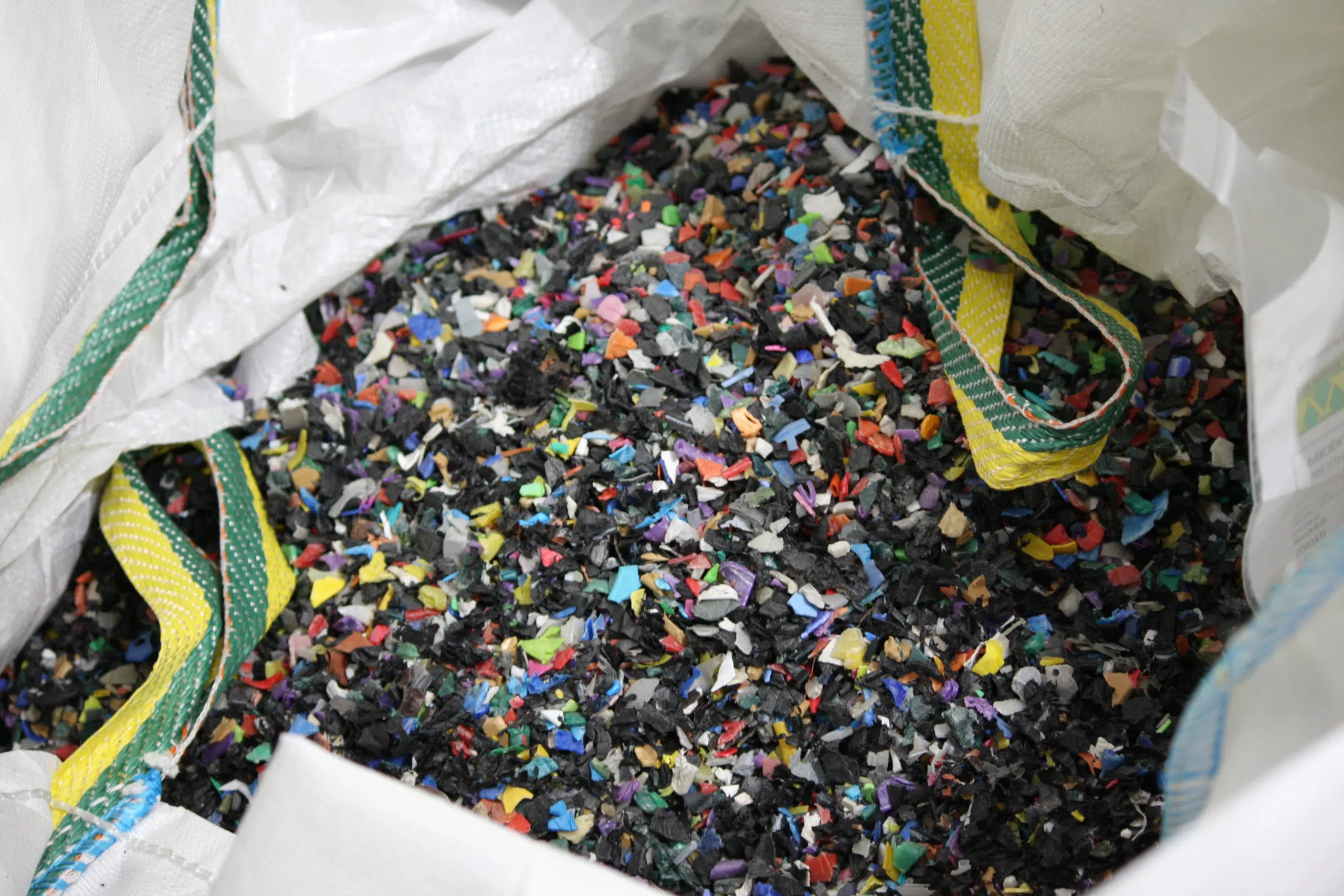
The use of recycled plastics in injection moulding is gaining traction. Reclaimed plastics, derived from post-consumer or post-industrial waste, are being integrated into the manufacturing process. Advancements in material science allow these recycled materials to match the quality and durability of their virgin counterparts.
Energy-efficient Techniques
Adopting energy-efficient moulding techniques and equipment is a game-changer. From utilising renewable energy sources to improving machinery efficiency, these approaches not only reduce the environmental impact but also contribute to cost savings in the long run.
Waste and Emission Reduction
Efforts to cut down on waste and emissions are at the core of sustainable practices. Techniques such as lean manufacturing, where the focus is on minimising waste and maximising efficiency, are instrumental. Moreover, the reclamation and repurposing of excess materials further diminish the ecological impact.
Innovations in Biodegradable Plastics
The evolution of biodegradable and compostable plastics offers a promising avenue. These materials break down naturally, minimising their environmental persistence. Although still advancing, the development of biodegradable plastics stands as a beacon of hope for a cleaner future.

Implementing Sustainable Solutions
Practical Steps for Integration
Integrating sustainable practices into plastic injection moulding processes demands a strategic approach. From modifying machinery to rethinking supply chains, it involves a systemic transformation. Companies need to re-evaluate their operations, invest in green technology, and collaborate with eco-conscious partners.
Cost Implications and Long-term Benefits
While the transition to sustainable methods might involve initial investment, the long-term benefits are profound. Reduced operational costs, improved brand reputation, and compliance with evolving environmental regulations stand as compelling reasons to embrace sustainability.
Challenges and Solutions
Overcoming Barriers
Implementing sustainable practices isn’t without its challenges. Technical limitations, cost concerns, and existing infrastructure are significant barriers. However, technological advancements and collaborative efforts within the industry are steadily dismantling these obstacles.
Collaboration and Innovation
The path to sustainable plastic injection moulding demands collaboration. Manufacturers, suppliers, policymakers, and consumers must join hands to drive innovation and implement progressive changes. Collaboration fosters the exchange of ideas and resources, accelerating the shift towards sustainability.
The Future of Sustainable Plastic Injection Moulding
Emerging Trends and Innovations
The future is brimming with possibilities. From the refinement of biodegradable materials to the advent of more energy-efficient machinery, innovation is rife. New techniques and technologies continue to evolve, promising a greener and more sustainable tomorrow.
Importance of Ongoing Research and Development
The journey towards sustainability is ongoing. Continuous research and development are pivotal. Whether it’s exploring new materials or refining manufacturing processes, the commitment to innovation is essential for a sustainable future.
Conclusion
In the world of plastic injection moulding, the future is taking shape—one that’s sustainable, responsible, and eco-conscious. Embracing sustainable practices isn’t just an option; it’s a necessity for a cleaner and healthier planet. As manufacturers, it’s our responsibility to break the mould, revolutionise our practices, and lead the charge towards a more sustainable future. The time to act is now.
READY TO START?
To get your components or sub-assemblies manufactured by us, you can call our team on 01543 462 561 or send an email enquiry to [email protected]. Our team of experts will be in contact within hours to help you with your project.
We can advise on the design of your product to suit the manufacturing processes required. We can organise tooling for you and manage the project for you so that you receive conforming parts at a competitive price. And we’ll keep doing that for you for as many years as you need us to.