Is Injection Moulding Expensive? Unveiling the Truth Behind Manufacturing Costs
In the expansive world of manufacturing, injection moulding stands as a pivotal process, revolutionising how products are brought to life. The question on many minds, however, is whether injection moulding is expensive. In this article, we delve into the intricacies of injection moulding costs, shedding light on various factors that contribute to the overall expense and uncovering the often misunderstood facets of this manufacturing method.
Definition of Injection Moulding
Injection moulding is a sophisticated manufacturing process wherein molten material, typically plastic, is injected into a meticulously crafted mould. This process creates a three-dimensional replica of the desired product with exceptional precision and detail.
Importance in Manufacturing
With its exceptional ability to produce intricate designs at high volumes, injection moulding plays a vital role in various industries, from automotive to consumer goods. Its efficiency and scalability make it a preferred choice for manufacturers aiming to produce complex parts with speed and accuracy.
Factors Influencing Injection Moulding Costs
1. Material Selection
The choice of raw material significantly impacts the cost, as different materials come with varying price tags and properties. Manufacturers must carefully assess the requirements of the final product to determine the most cost-effective yet suitable material.
2. Complexity of the Design
Intricate designs and complex geometries may necessitate more advanced moulds, contributing to higher costs. Balancing design intricacy with cost considerations is crucial for optimising the manufacturing process.
3. Production Volume
Economies of scale come into play – larger production volumes often lead to lower per-unit costs. Manufacturers need to strategically plan production volumes to achieve cost efficiency without compromising quality.
Cost Components in Injection Moulding
1. Raw Material Costs
Understanding the pricing dynamics of raw materials is crucial in assessing the overall cost of injection moulding. This involves considering not only the material’s initial cost but also factors like recyclability and availability.
2. Tooling Costs
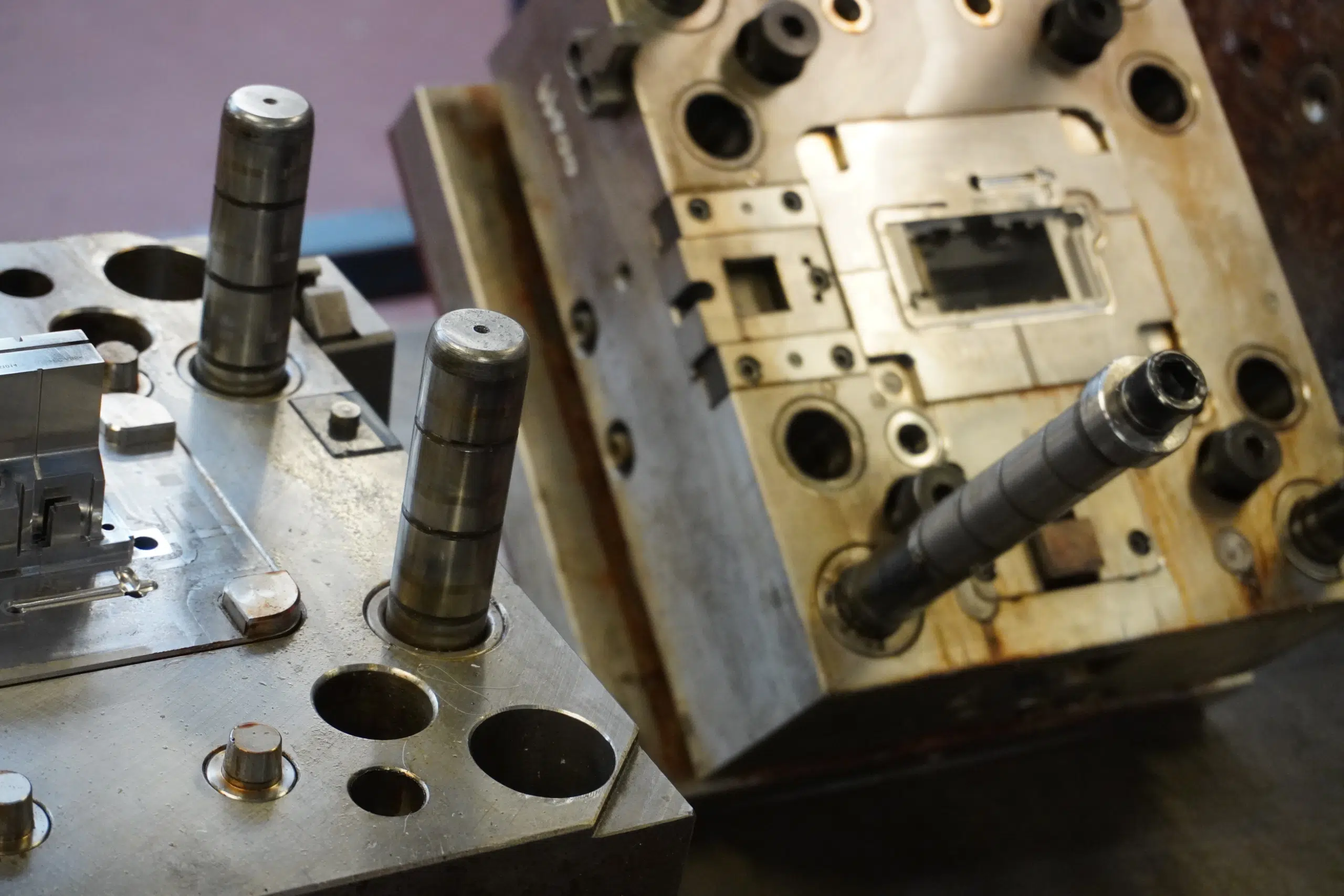
Investing in high-quality moulds is essential, but it can be a significant upfront expense. However, durable moulds contribute to long-term efficiency and product consistency.
3. Labour Costs
Skilled labor is needed for the operation and maintenance of injection moulding machines, contributing to the overall cost. Striking a balance between skilled labour and automation is essential for cost-effectiveness.
Benefits of Injection Moulding
1. Efficiency and Precision
Despite costs, injection moulding offers unparalleled efficiency and precision in manufacturing, ensuring consistent and high-quality products.
2. Design Flexibility
The method allows for intricate designs and versatile product shapes, providing a competitive edge in industries where aesthetics and functionality are crucial.
3. Faster Production
Injection moulding can lead to faster production cycles, optimising time-to-market for products. This speed is particularly advantageous in industries where rapid product development is essential.
Common Misconceptions about Injection Moulding Costs
1. Perceived Expensiveness
Many wrongly perceive injection moulding as an expensive option without considering the broader cost-benefit analysis. Understanding the long-term advantages can shift this perspective.
2. Long-Term Cost Efficiency
While upfront costs may be higher, the long-term efficiency of injection moulding often outweighs the initial investment. This includes factors such as reduced waste, faster production, and consistent quality.
Strategies to Reduce Injection Moulding Costs
1. Optimal Material Usage
Smart material selection and efficient usage can significantly cut down on raw material costs. This involves minimising waste and exploring sustainable material options.
2. Streamlined Design Processes
Investing in efficient design processes can reduce complexity and subsequently tooling costs. Collaborative efforts between designers and engineers are crucial for optimising designs for cost-effective production.
3. Automation and Technology Integration
Leveraging automation and advanced technologies can streamline production, minimising labour costs. This includes the use of robotics for repetitive tasks, enhancing overall efficiency.
4. Environmental Considerations
a. Sustainable Practices in Injection Moulding
Addressing the environmental impact of injection moulding involves adopting sustainable practices, such as using recyclable materials and minimising energy consumption.
b. Balancing Cost and Eco-Friendliness
Strategies for manufacturers to balance cost considerations with environmentally responsible practices include exploring eco-friendly materials and optimising energy usage throughout the production process.
Future Trends in Injection Moulding Costs
1. Technological Innovations
Exploring how emerging technologies, such as 3D printing and advanced material sciences, may impact the cost dynamics of injection moulding. This includes assessing the potential for reduced material waste and more efficient production processes.
2. Market Dynamics
Understanding how market trends and demands could influence the cost structures in injection moulding. This involves staying abreast of industry developments and adjusting manufacturing strategies accordingly.
In conclusion, while injection moulding may have associated costs, a nuanced understanding of the factors at play, coupled with strategic planning and technological advancements, can contribute to a more cost-effective and sustainable manufacturing process.
Frequently Asked Questions
1. Is injection moulding suitable for small-scale production?
Yes, injection moulding can be adapted for small-scale production, especially when considering long-term cost efficiency.
2. How can I reduce tooling costs in injection moulding?
Investing in efficient design processes and exploring cost-effective materials can help minimise tooling expenses.
3. Are there eco-friendly alternatives to traditional injection moulding materials?
Yes, manufacturers can explore biodegradable or recycled materials as more sustainable options.
4. What role does automation play in reducing labour costs in injection moulding?
Automation can significantly reduce labour costs by streamlining production processes and improving efficiency.
5. Are there government incentives for adopting environmentally friendly injection moulding practices?
In some regions, governments provide incentives for adopting eco-friendly manufacturing practices, including injection moulding.
READY TO START?
To get your components or sub-assemblies manufactured by us, you can call our team on 01543 462 561 or send an email enquiry to [email protected]. Our team of experts will be in contact within hours to help you with your project.
We can advise on the design of your product to suit the manufacturing processes required. We can organise tooling for you and manage the project for you so that you receive conforming parts at a competitive price. And we’ll keep doing that for you for as many years as you need us to.