
Understanding Composites in Plastic Manufacturing
Composites are materials that are made by combining two or more different types of materials to create a new material with specific properties. In plastic manufacturing, composites are often used to improve the strength, durability, and other physical or chemical properties of plastic products.
Let’s take a closer look at some of the most common composites used in plastic manufacturing:
Fiberglass reinforced plastic (FRP)
Fiberglass reinforced plastic (FRP) is a composite that combines glass fibres with plastic resin. The result is a material that is lightweight, strong, and resistant to corrosion. FRP is commonly used in the construction of boats, automotive parts, and other products that require high strength and durability.
Carbon fibre reinforced plastic (CFRP)
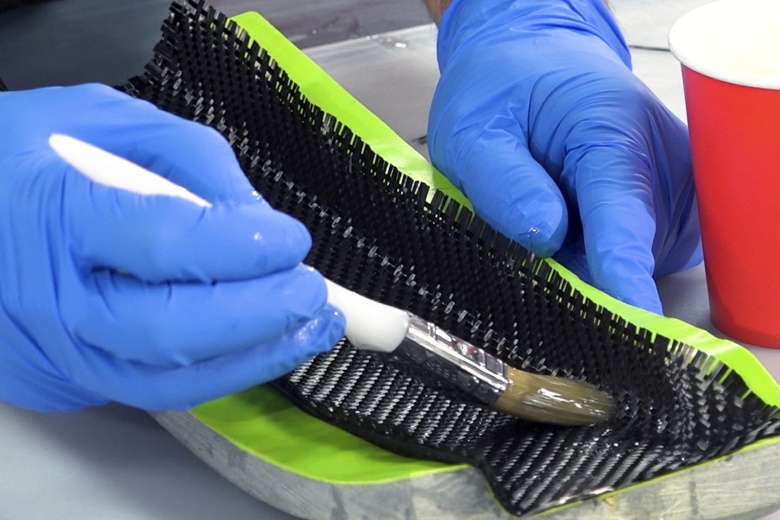
Carbon fibre reinforced plastic (CFRP) is a composite that combines carbon fibres with plastic resin. The result is a material that is strong, lightweight, and has excellent stiffness. CFRP is commonly used in the aerospace industry, as well as in the construction of high-performance sports equipment such as bicycles and tennis rackets.
Wood-plastic composite (WPC)
Wood-plastic composite (WPC) is a composite that combines wood fibres or particles with plastic resin. The result is a material that has the appearance of wood, but with improved durability and resistance to moisture. WPC is commonly used in the construction of outdoor decking, fencing, and other products that require the look of wood but without the maintenance and durability issues.
Metal-plastic composite
Metal-plastic composite is a composite that combines metal particles or fibres with plastic resin. The result is a material that has the strength and durability of metal, but with the flexibility and corrosion resistance of plastic. Metal-plastic composites are commonly used in the construction of automotive parts, electrical enclosures, and other products that require high strength and durability.
Nanocomposites
Nanocomposites are a relatively new type of composite that involves adding nanoparticles to plastic resin. The result is a material that has improved mechanical, thermal, and electrical properties. Nanocomposites are being researched and developed for a wide range of applications, including biomedical devices, energy storage, and electronics.
Overall, composites are an important part of plastic manufacturing. They allow manufacturers to create materials with specific properties that meet the needs of various applications. By combining different types of materials, composites can be tailored to meet the requirements of each unique situation. Whether it’s for strength, durability, flexibility, or other properties, composites play a crucial role in the development of new and improved plastic products.
READY TO START?
To get your components or sub-assemblies manufactured by us, you can call our team on 01543 462 561 or send an email enquiry to [email protected]. Our team of experts will be in contact within hours to help you with your project.
We can advise on the design of your product to suit the manufacturing processes required. We can organise tooling for you and manage the project for you so that you receive conforming parts at a competitive price. And we’ll keep doing that for you for as many years as you need us to.