Automating Just-In-Time (JIT) Production: Revolutionising Plastic Manufacturing in the UK
In the dynamic landscape of manufacturing, the plastic industry stands out for its adaptability and innovation. Over the years, the industry has undergone significant transformations driven by technological advancements. From traditional methods to embracing automation and robotics, plastic manufacturers in the UK have been at the forefront of adopting cutting-edge solutions to enhance efficiency and productivity. Today, we delve into the concept of Just-In-Time (JIT) production and explore how automation is playing a pivotal role in its realisation.
Understanding Just-In-Time (JIT) Production
Definition and Principles of JIT Production
Just-In-Time (JIT) production is a strategy aimed at optimising efficiency by ensuring that materials and components are delivered to the production line precisely when they are needed. This approach minimises inventory holding costs and reduces waste associated with overproduction. At its core, JIT production emphasises lean manufacturing principles, focusing on continuous improvement and waste elimination.
Benefits of JIT Production in Plastic Manufacturing
For plastic manufacturers, implementing JIT production brings a myriad of benefits. By synchronising production with demand, we can respond more effectively to market fluctuations and customer preferences. Moreover, JIT production facilitates better resource utilisation, leading to reduced lead times and improved customer satisfaction. However, transitioning to JIT production requires a fundamental shift in mindset and operational processes.
Challenges and Limitations of Traditional Manufacturing Methods
Traditional manufacturing methods often suffer from inefficiencies associated with batch production and excessive inventory levels. These practices can lead to increased carrying costs, production bottlenecks and quality issues. As a result, manufacturers are increasingly turning to automation to streamline their operations and achieve JIT production goals.
The Role of Automation in Plastic Manufacturing
Introduction to Automation and Robotics
Automation involves the use of technology to perform tasks with minimal human intervention. In the context of plastic manufacturing, robotics plays a central role in automating various stages of the production process, from material handling to quality control. By leveraging robotics, manufacturers can achieve higher levels of precision, consistency, and efficiency.
Advantages of Automation in Plastic Manufacturing
The adoption of automation in plastic manufacturing offers several compelling advantages. Firstly, automation enhances productivity by accelerating cycle times and reducing downtime associated with manual interventions. Additionally, automated systems improve quality control by minimising human errors and deviations. Finally, automation enables cost reduction through optimised resource utilisation and waste minimisation.
Types of Automation Systems Used in Plastic Manufacturing
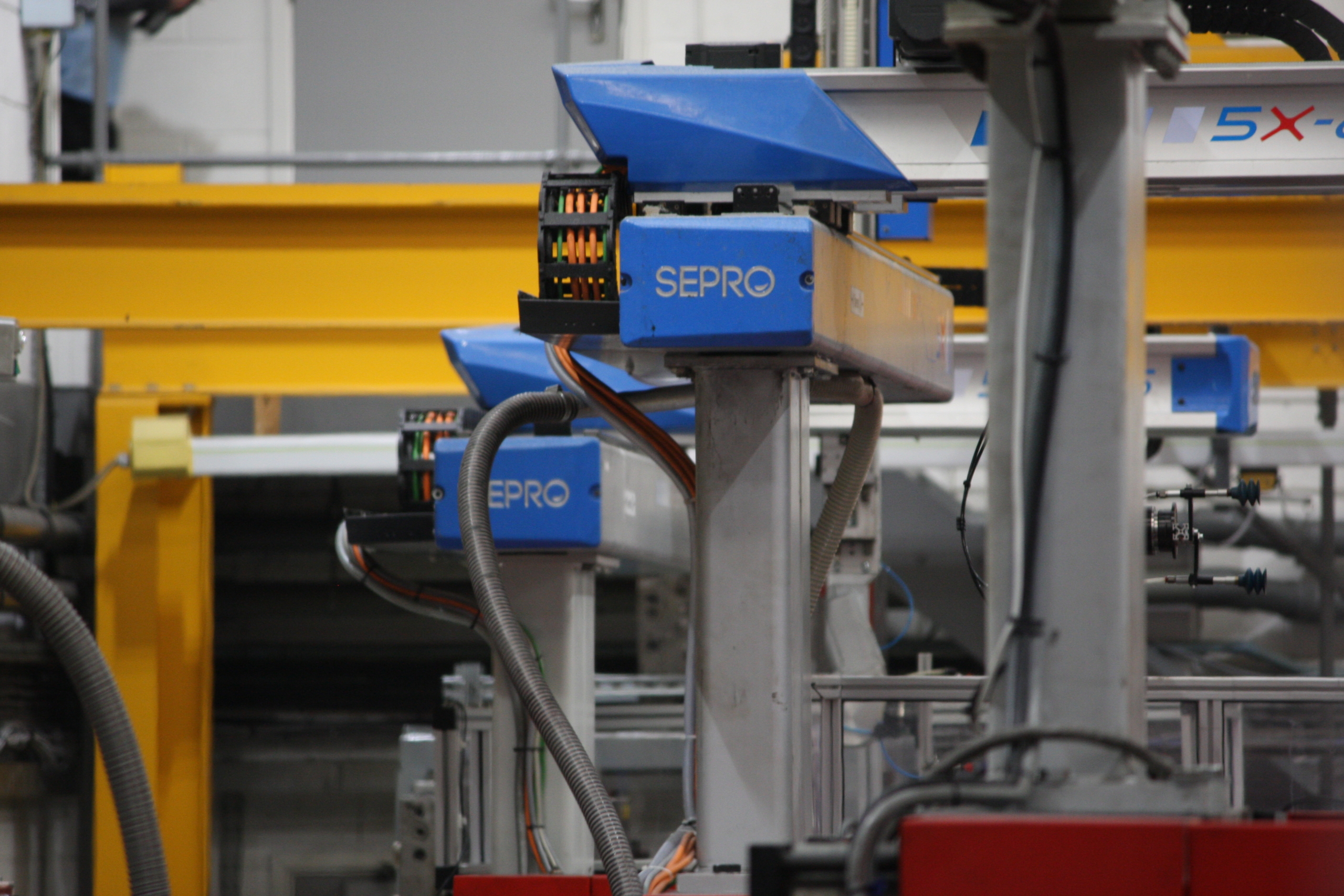
In our facility, we have implemented a range of automation systems to support our production processes. Automated injection moulding machines enable us to achieve high-volume production with minimal human oversight. Robotic arm systems, including collaborative robots or “cobots,” handle material loading and unloading tasks, maximising efficiency and safety on the shop floor. These cobots work alongside human operators, enhancing productivity while maintaining a safe working environment. Furthermore, automated inspection and quality control systems ensure that only products meeting stringent specifications reach the market.
Implementing Just-In-Time (JIT) Production with Automation
Streamlining Production Processes with Automated Workflows
Automation enables us to streamline our production processes and eliminate inefficiencies that hinder JIT production. By automating repetitive tasks, such as part assembly and packaging, we can reduce lead times and increase throughput. Furthermore, automated workflows allow for greater flexibility in responding to changing customer demands and market conditions.
Real-Time Monitoring and Data Analysis for JIT Planning
Central to our JIT production strategy is real-time monitoring and data analysis. Through the integration of sensors and advanced analytics tools, we gain valuable insights into our production performance and inventory levels. This data-driven approach enables us to anticipate demand fluctuations and adjust our production schedules accordingly, minimising the risk of stockouts or excess inventory.
Flexibility and Adaptability in Production Scheduling
One of the key advantages of automation is its ability to support flexible and adaptive production scheduling. With automated systems in place, we can quickly reconfigure production lines to accommodate different product variants or order sizes. This agility allows us to respond rapidly to customer orders and market trends, giving us a competitive edge in the industry.
Overcoming Challenges and Adopting Automation
Addressing Concerns About Initial Investment Costs
While the upfront costs of implementing automation may seem daunting, the long-term benefits far outweigh the initial investment. By conducting a thorough cost-benefit analysis and considering factors such as labour savings, quality improvements, and scalability, manufacturers can justify the ROI of automation projects.
Workforce Training and Skills Development for Automation Integration
One of the challenges associated with automation is the need for skilled personnel to operate and maintain automated systems. To address this challenge, we have invested in comprehensive training programs to upskill our workforce and ensure that they are equipped to leverage automation technologies effectively.
Ensuring Compatibility with Existing Infrastructure and Systems
Another consideration when adopting automation is compatibility with existing infrastructure and systems. It is essential to assess the interoperability of automated systems with legacy equipment and software to minimise disruptions and ensure seamless integration.
Regulatory and Compliance Considerations in Automated Manufacturing
In regulated industries such as plastics manufacturing, compliance with quality and safety standards is paramount. When implementing automation, manufacturers must ensure that automated systems comply with relevant regulations and industry standards to maintain product integrity and consumer trust.
The Future of Automation in Plastic Manufacturing
Emerging Technologies and Innovations in Automation
Looking ahead, the future of automation in plastic manufacturing is brimming with exciting possibilities. Advancements in robotics, artificial intelligence, and machine learning promise to revolutionise the way we design, produce, and deliver plastic products. From collaborative robots that work alongside human operators to AI-powered predictive maintenance systems, the potential applications of automation are limitless.
Integration of Artificial Intelligence (AI) for Predictive Maintenance
AI-driven predictive maintenance is poised to transform the maintenance practices of plastic manufacturers. By analysing data from sensors embedded in machinery, AI algorithms can predict equipment failures before they occur, minimising downtime and optimising maintenance schedules. This proactive approach to maintenance not only extends the lifespan of equipment but also improves overall operational efficiency.
Sustainable Practices Enabled by Automated Manufacturing
Automation holds the key to achieving sustainable practices in plastic manufacturing. By optimising resource utilisation and minimising waste, automated systems help reduce the environmental footprint of production processes. Furthermore, automation enables the adoption of circular economy principles, facilitating the recycling and reuse of plastic materials.
Potential Impacts on the Plastic Industry and Economic Landscape
The widespread adoption of automation in plastic manufacturing is poised to reshape the industry’s competitive landscape and economic dynamics. Manufacturers that embrace automation will gain a competitive advantage in terms of efficiency, quality, and innovation. Moreover, automation has the potential to drive job creation in high-skilled roles such as robotics programming and data analysis, thereby fuelling economic growth and prosperity.
Conclusion
In conclusion, automation is revolutionising the plastic manufacturing industry, enabling manufacturers to achieve Just-In-Time (JIT) production and unlock new levels of efficiency and agility. By harnessing the power of automation, plastic manufacturers in the UK can stay ahead of the curve and thrive in an increasingly competitive marketplace. As we embrace automation and embrace the future of manufacturing, the possibilities are endless.
READY TO START?
To get your components or sub-assemblies manufactured by us, you can call our team on 01543 462 561 or send an email enquiry to [email protected]. Our team of experts will be in contact within hours to help you with your project.
We can advise on the design of your product to suit the manufacturing processes required. We can organise tooling for you and manage the project for you so that you receive conforming parts at a competitive price. And we’ll keep doing that for you for as many years as you need us to.