Kaizen Approach to Plastic Production: Enhancing Efficiency and Quality
In the fast-paced world of plastic manufacturing, staying competitive requires more than just meeting production quotas. It demands a commitment to continuous improvement and a keen focus on quality. This is where the Kaizen approach comes into play. Originating from Japan and often considered the key to Japan’s competitive success, Kaizen embodies the philosophy of making small, incremental improvements over time to achieve significant advancements in efficiency and quality. In this article, we’ll explore how UK plastic manufacturers can harness the power of Kaizen to revolutionise their production processes.
UNDERSTANDING KAIZEN IN PLASTIC PRODUCTION
Kaizen, a term rooted in Japanese philosophy, embodies more than just a set of methodologies; it encapsulates an entire ethos that resonates with the essence of improvement and excellence. Stemming from the Japanese words “kai” meaning change, and “zen” representing good, Kaizen transcends mere procedural adjustments. It’s a profound mindset that infiltrates every nook and cranny of an organisation, reshaping the very fabric of its culture.
Masaaki Imai, the pioneer who introduced Kaizen to the West, emphasized its role in the Toyota Production System, which has become a model for efficiency in manufacturing. At its core, Kaizen champions the idea of perpetual betterment, urging individuals at all levels of the organisation to actively engage in the pursuit of enhancement. This bottom-up approach stands in stark contrast to traditional top-down management styles, where directives flow from the upper echelons. Instead, Kaizen invites employees to become architects of their own improvement journey, empowering them to identify inefficiencies, recognise opportunities, and implement solutions.
By instilling a sense of ownership and accountability, Kaizen cultivates a culture of continuous improvement within the organisation. Employees feel not only empowered but also responsible for the success of their work processes. This sense of ownership fosters a deeper level of commitment and engagement, driving individuals to go above and beyond in their quest for excellence.
Moreover, Kaizen encourages collaboration and teamwork, breaking down silos and fostering cross-functional partnerships. When employees from different departments come together to tackle common challenges, innovative solutions emerge, leading to transformative outcomes. This collaborative spirit not only strengthens interpersonal relationships but also fosters a sense of camaraderie and shared purpose.
In essence, Kaizen is more than just a methodology; it’s a way of life—a philosophy that permeates every aspect of an organisation, from its processes and procedures to its culture and values. By embracing the Kaizen mindset, organisations can unlock untapped potential, drive sustainable growth, and achieve unparalleled success in their endeavours.
Key Elements of Kaizen in Plastic Manufacturing
- Employee Involvement
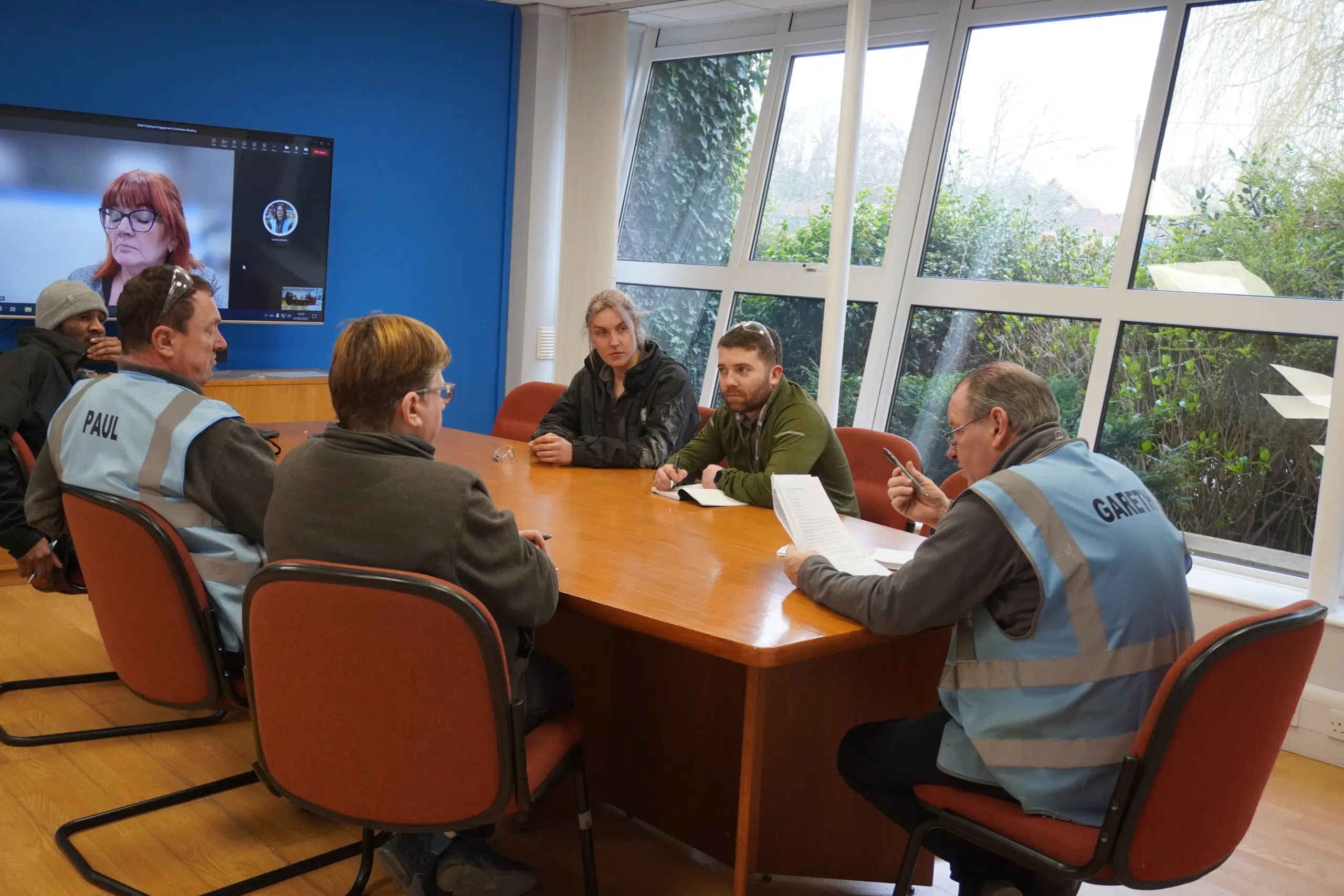
Incorporating employees into the improvement process is paramount for the success of Kaizen initiatives within plastic manufacturing. By actively engaging those directly involved in production, companies gain access to a wealth of valuable insights and innovative ideas for optimising processes. This involvement not only empowers employees but also fosters a sense of ownership and responsibility for the outcomes of their work.Encouraging participation through brainstorming sessions, suggestion schemes, and cross-functional teams enables employees to contribute their expertise and frontline experience. In my experience, some of the most ingenious solutions to operational challenges have come from the shop floor, where workers intimately understand the intricacies of the production process. By harnessing this collective wisdom, organisations can drive meaningful improvements that resonate throughout the entire manufacturing operation.
- Waste Reduction
Waste poses a significant obstacle to efficiency in any manufacturing environment, and the plastic production sector is no exception. Kaizen principles advocate for the identification and elimination of waste in all its forms, from excess inventory to overproduction and defects. Implementing visual management techniques, such as Kanban boards, has proven instrumental in our efforts to combat waste in our plastic production facility.Visualising workflow and inventory levels empowers teams to identify bottlenecks, streamline processes, and minimise unnecessary work-in-progress inventory. By creating a visual representation of the production process, employees gain greater insight into the flow of materials and can make data-driven decisions to optimise efficiency. This proactive approach to waste reduction not only enhances productivity but also contributes to a more sustainable and environmentally responsible operation.
- Standardisation
Achieving consistency and reliability in plastic manufacturing hinges on the standardisation of processes. Clear standard operating procedures (SOPs) and work instructions provide a blueprint for employees to follow, ensuring that each step of the production process is executed with precision. Documenting SOPs and delivering regular training sessions to employees are essential components of this standardisation effort.In my experience, establishing a culture of adherence to SOPs not only enhances efficiency but also helps to maintain quality standards across the board. By providing employees with clear guidelines and expectations, organisations instil confidence and accountability in their workforce. This adherence to standardised processes lays the foundation for continuous improvement and enables teams to focus their efforts on refining existing procedures and driving innovation.
- Continuous Improvement
At the heart of Kaizen philosophy lies the principle of continuous improvement. Rather than striving for perfection overnight, Kaizen encourages organisations to make incremental progress every day. This commitment to ongoing enhancement fosters a culture of innovation and adaptability, where employees are empowered to challenge the status quo and seek out opportunities for improvement.By embracing a mindset of continuous improvement, organisations can remain agile and responsive to changing market demands and technological advancements. Regular review and reflection on processes and performance enable teams to identify areas for refinement and implement targeted solutions. This aligns with the ‘Plan-Do-Check-Act’ cycle, a fundamental principle in Kaizen methodology. In my experience, small, incremental changes often yield the most significant results over time, driving sustained improvements in efficiency, quality, and customer satisfaction.
- Types of Kaizen
There are various types of Kaizen, including process Kaizen, flow Kaizen and equipment Kaizen, each focusing on specific areas of improvement in the manufacturing process. Understanding these different types allows organisations to tailor their improvement efforts to address particular challenges in their production processes.
Implementing Kaizen in UK Plastic Manufacturing
While the principles of Kaizen may sound straightforward, implementing them effectively requires commitment and perseverance. Here are some practical steps for incorporating Kaizen into your plastic manufacturing processes:
- Establish Clear Goals: Define specific objectives for your Kaizen initiatives, whether it’s reducing lead times, improving product quality, or increasing production efficiency.
- Provide Training and Support: Equip employees with the skills and knowledge they need to actively participate in the improvement process. Offer training sessions on Kaizen principles and provide ongoing support and guidance.
- Encourage Collaboration: Foster a collaborative environment where employees feel empowered to share ideas and suggestions for improvement. Encourage cross-functional teams to work together to tackle complex problems.
- Celebrate Successes: Recognise and celebrate achievements, no matter how small. Acknowledging the contributions of employees reinforces the importance of their efforts and encourages continued participation.
- Organise Kaizen Events: Schedule regular Kaizen events or Kaizen blitzes – short, focused improvement projects that address specific issues in your production process.
Conclusion
In conclusion, adopting a Kaizen approach to plastic production holds immense potential for UK manufacturers looking to enhance efficiency and quality. By prioritising employee involvement, waste reduction, standardisation, and continuous improvement, companies can position themselves for long-term success in an increasingly competitive market. Remember, Kaizen is not a destination but a journey—a journey towards excellence and continuous improvement. So, embrace the Kaizen mindset, and watch your plastic production processes transform for the better, ultimately contributing to your company’s competitive success in the industry.
READY TO START?
To get your components or sub-assemblies manufactured by us, you can call our team on 01543 462 561 or send an email enquiry to [email protected]. Our team of experts will be in contact within hours to help you with your project.
We can advise on the design of your product to suit the manufacturing processes required. We can organise tooling for you and manage the project for you so that you receive conforming parts at a competitive price. And we’ll keep doing that for you for as many years as you need us to.