Key Components of Injection Moulding Tools
In the world of manufacturing, few methods match the efficiency and adaptability of injection moulding. It’s a technique that transforms melted materials into a wide range of products we use every day. Central to this process is the injection moulding tooling, a meticulously crafted apparatus with various components. Understanding these parts is like deciphering the blueprint for successful manufacturing. In this article, we’ll dive into the nuts and bolts of injection moulding tooling, exploring their essential components and their crucial role in driving production excellence.
Understanding Injection Moulding Tools
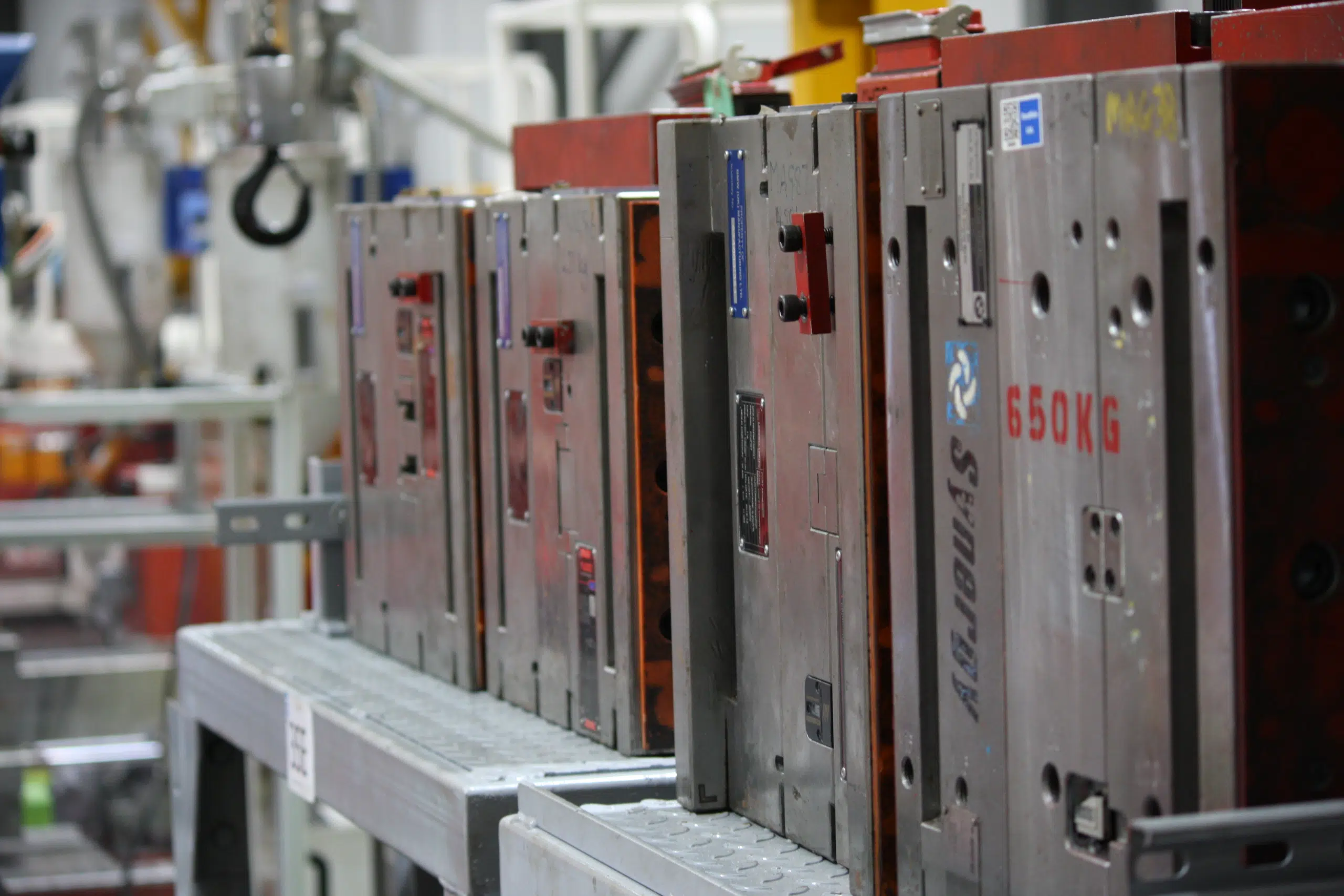
Injection moulding tools, often referred to simply as moulds or tooling, serve as the primary apparatus for shaping molten plastic into finished products. These tools are meticulously crafted to withstand high pressures and temperatures while delivering precise results consistently. They are commonly manufactured from materials such as aluminium or hardened steel, chosen for their durability and ability to withstand the rigours of the injection moulding process. Aluminium tools are often preferred for shorter production runs due to their cost-effectiveness, but they can wear easily over time. In contrast, steel tools are typically used for large volume production due to their longevity and resistance to wear. Each component plays a crucial role in the injection moulding process, contributing to the overall quality and efficiency of production.
If you’re also weighing up whether injection moulding or extrusion is the right process for your component, our guide covers the cost differences between tooling types to help you decide.
Core Components
Mould Base
The mould base serves as the foundation upon which the entire mould assembly is built. It provides structural support and stability, ensuring that the mould remains intact during the injection process. When selecting materials for the mould base, factors such as dimensional stability, durability, and corrosion resistance must be carefully considered. In my years of experience, I’ve learned the importance of investing in high-quality mould bases to prolong tool life and maintain consistent part quality.
Cavities and Cores
Cavities and cores are the primary shaping elements within the mould, defining the geometry of the final product. These components work in tandem to form hollow spaces within the mould where molten material is injected and solidified. Achieving uniform cooling throughout the cavities and cores is essential for minimising cycle times and ensuring consistent part quality. Techniques such as conformal cooling, which involves designing cooling channels to follow the contours of the mould surface, can significantly enhance cooling efficiency and overall productivity.

Cooling Systems
Effective cooling is critical for controlling the temperature of the mould and solidifying the molten material rapidly. Conventional cooling systems typically utilise water channels integrated into the mould design to dissipate heat efficiently. However, advancements in technology have led to the development of more sophisticated cooling solutions, such as conformal cooling, which offer improved thermal management and reduced cycle times. In my experience, optimising cooling systems can yield substantial gains in productivity and part quality, making it a worthwhile investment for manufacturers.
Injection System
The injection system is responsible for melting, homogenising, and injecting the plastic material into the mould cavities. It comprises several key components, including the barrel, screw, nozzle, and hopper. Each component plays a crucial role in controlling the flow and pressure of the molten material, ultimately influencing part quality and consistency. Through meticulous calibration and monitoring of the injection system, manufacturers can achieve precise control over the injection process, resulting in high-quality parts with minimal variation.
Ejection System
Once the injected material has solidified within the mould cavities, the ejection system comes into play, releasing the finished parts from the mould. Ejector pins, sleeves, and plates work together to push the parts out of the mould cavity smoothly and efficiently. Careful attention must be paid to the design and operation of the ejection system to prevent part distortion and maintain surface finish integrity. In my experience, fine-tuning the ejection system can make a significant difference in reducing scrap rates and improving overall production efficiency.
Mould Temperature Control
Maintaining optimal mould temperature is essential for achieving consistent part quality and minimising cycle times. Various temperature control methods, including water, oil, and electric heating/cooling systems, are employed to regulate the temperature of the mould throughout the injection process. By carefully monitoring and adjusting the mould temperature, manufacturers can mitigate common defects such as warping, sink marks, and flow lines, ensuring that each part meets the desired specifications.
Material Handling and Feed Systems
The material handling and feed systems play a critical role in delivering the plastic material to the injection moulding machine and distributing it within the mould cavities. Sprues, runners, and gates guide the flow of molten material, facilitating uniform filling and minimising waste. By optimising material flow and distribution, manufacturers can maximise material efficiency and produce high-quality parts consistently. In my experience, attention to detail in designing and maintaining these systems is essential for achieving optimal production outcomes.
Maintenance and Troubleshooting
Regular maintenance is essential for prolonging the life of injection moulding tools and ensuring reliable performance. Scheduled inspections, cleaning, and lubrication help prevent premature wear and damage to critical components. Additionally, proactive troubleshooting measures can help identify and address issues before they escalate, minimising downtime and production disruptions. Through diligent maintenance practices and timely intervention, manufacturers can optimise the performance of their injection moulding tools and maximise productivity.
Conclusion
In conclusion, the key components of injection moulding tooling play a vital role in shaping the success of the manufacturing process. By understanding the functions and importance of these components, manufacturers can unlock the full potential of injection moulding technology and achieve superior results consistently. As technology continues to evolve and innovations emerge, staying abreast of the latest developments in injection moulding tool design and optimisation will be crucial for maintaining a competitive edge in the industry.
READY TO START?
To get your components or sub-assemblies manufactured by us, you can call our team on 01543 462 561 or send an email enquiry to [email protected]. Our team of experts will be in contact within hours to help you with your project.
We can advise on the design of your product to suit the manufacturing processes required. We can organise tooling for you and manage the project for you so that you receive conforming parts at a competitive price. And we’ll keep doing that for you for as many years as you need us to.