Plastic Injection Moulding: The Silent Hero Transforming the Renewable Energy Sector!
Are you ready to uncover the unsung hero behind the scenes of the renewable energy sector? While wind turbines and solar panels often steal the spotlight, there’s another technology working tirelessly to transform the industry. Get ready to meet the silent hero: plastic injection moulding!
In today’s article, we’ll dive into the fascinating world of plastic injection moulding and explore how it plays a pivotal role in shaping the renewable energy landscape. Whether you’re a seasoned professional in the field or simply curious about the inner workings of renewable energy systems, this article aims to shed light on this essential manufacturing process.
Now, let’s embark on a journey to uncover how plastic injection moulding quietly revolutionises the renewable energy sector, one component at a time.
But before we delve into the nitty-gritty, let me share a personal anecdote. A few years ago, during a visit to a wind turbine production facility, I witnessed the intricate process of creating turbine blades. It was awe-inspiring to see how plastic injection moulding enabled the production of those enormous blades with precision and efficiency. That experience solidified my appreciation for the hidden gem that is plastic injection moulding.
So, buckle up and prepare to be amazed as we explore the critical role of plastic injection moulding in renewable energy. From creating high-quality components to customisation possibilities and cost-effectiveness, this unsung hero is transforming the way we harness clean, sustainable energy.
Ready? Let’s jump right in!

The Role of Plastic Injection Moulding in Renewable Energy
When it comes to renewable energy, we often think of wind turbines, solar panels, and hydroelectric power. But behind these impressive systems lies an unsung hero: plastic injection moulding. This manufacturing process plays a vital role in creating essential components that make renewable energy systems function effectively and efficiently.
So, what exactly is plastic injection moulding? It’s a versatile technique that involves injecting molten plastic material into a mould cavity under high pressure. The plastic then cools, solidifies, and takes the desired shape of the mould. This process allows for the production of intricate and complex parts with remarkable precision.
In the renewable energy sector, plastic injection moulding finds application in various components. For instance, consider the housing of a solar panel. Plastic injection moulding enables the creation of durable, weather-resistant enclosures that protect the delicate solar cells from the elements. It ensures these vital components can withstand extreme temperatures and harsh environmental conditions, maximizing their lifespan and efficiency.
Another example lies within wind turbine systems. Have you ever marvelled at the enormous blades gracefully spinning in the wind? Plastic injection moulding makes it possible to fabricate those impressive blades. By moulding lightweight yet robust materials, such as fiberglass-reinforced polymers, manufacturers can create blades that harness the wind’s power effectively.
One of the most remarkable aspects of plastic injection moulding is its ability to produce components with tight tolerances. This means the parts can be manufactured to incredibly precise specifications, ensuring consistent performance and optimal functionality. Whether it’s intricate connectors, electrical housings, or intricate mounting brackets, plastic injection moulding delivers the accuracy needed for seamless integration within renewable energy systems.
Plastic injection moulding is the unsung hero that transforms renewable energy systems. By creating high-quality components with precision, customisation possibilities, and efficiency, plastic injection moulding empowers the renewable energy sector to thrive. So, the next time you admire a solar panel or marvel at the graceful rotation of wind turbine blades, remember the silent hero behind the scenes – plastic injection moulding. In the next section, we’ll explore how this process contributes to the creation of high-quality components for the renewable energy sector.
Creating High-Quality Components
In the realm of renewable energy, where reliability and performance are paramount, plastic injection moulding shines as a manufacturing process that consistently delivers high-quality components. Let’s delve into how plastic injection moulding ensures the production of top-notch parts for the renewable energy sector.
One of the key advantages of plastic injection moulding is its ability to achieve tight tolerances. This means that components can be manufactured with precise dimensions, ensuring a perfect fit and optimal functionality within renewable energy systems. Whether it’s connectors, seals, or intricate structural parts, plastic injection moulding allows for the creation of components that meet the rigorous standards of the renewable energy industry.
Imagine a scenario where a solar panel’s electrical housing doesn’t fit snugly or has variations in size. This could lead to inefficient energy transfer, reduced system performance, and potential long-term damage. However, thanks to plastic injection moulding’s precision, these issues can be mitigated. The moulding process ensures consistent production, resulting in components that fit precisely and contribute to the overall reliability and longevity of the renewable energy system.
Beyond precision, plastic injection moulding offers excellent material properties that enhance the durability and functionality of renewable energy components. By utilising advanced engineering polymers and composite materials, manufacturers can create parts that are resistant to UV radiation, temperature extremes, and harsh environmental conditions. This durability is especially crucial for components exposed to outdoor elements in solar, wind, or hydroelectric power systems.
Another remarkable aspect of plastic injection moulding is its capability to encapsulate or overmould different materials. This enables the integration of multiple functionalities within a single component. For instance, in the renewable energy sector, a component may require both electrical conductivity and mechanical strength. Through plastic injection moulding, these properties can be combined, resulting in efficient, space-saving designs that simplify the overall system.
This manufacturing technique ensures the creation of high-quality components for the renewable energy sector. The precision and consistency offered by this process guarantee a perfect fit, optimal functionality, and long-term reliability. By utilising advanced materials and the ability to integrate multiple functionalities, plastic injection moulding plays a vital role in enhancing the performance and durability of renewable energy systems.
In the next section, we’ll explore the design flexibility and customisation possibilities provided by injection moulding, allowing for tailored solutions to meet the specific needs of the renewable energy industry.
Customisation and Design Flexibility
In the dynamic world of renewable energy, where diverse applications and unique challenges arise, plastic injection moulding proves its mettle by offering unparalleled customisation and design flexibility. Let’s delve into how this manufacturing process empowers the renewable energy sector with tailored solutions to meet its specific needs.
Plastic injection moulding opens up a realm of possibilities when it comes to design. Its versatility allows for the creation of complex shapes, intricate details, and customised features that perfectly align with the requirements of renewable energy systems. Whether it’s the aerodynamic contours of wind turbine blades or the intricate channels within a heat exchanger, plastic injection moulding enables engineers and designers to bring their innovative ideas to life.
Moreover, the ability to integrate various components into a single part through plastic injection moulding offers significant design advantages. This consolidation of functionalities not only streamlines the manufacturing process but also optimises space utilisation within renewable energy systems. By reducing the number of separate parts and simplifying assembly, plastic injection moulding contributes to enhanced system efficiency and reliability.
Additionally, plastic injection moulding enables customisation to address specific requirements and challenges in the renewable energy sector. Whether it’s adapting to unique space constraints or accommodating specific connection interfaces, plastic injection moulding allows for the creation of bespoke components tailored to the individual needs of renewable energy applications.
Consider the example of mounting brackets for solar panels. Each installation may have different mounting requirements, depending on factors such as roof pitch or structural considerations. With plastic injection moulding, manufacturers can produce customised mounting brackets that precisely fit the installation requirements, ensuring secure and efficient integration into the solar panel system.
The ability to quickly iterate designs and create prototypes through 3D printing and injection moulding is also invaluable in the renewable energy sector. This facilitates the testing and validation of new concepts, helping to accelerate the pace of innovation and drive continuous improvement within the industry.
In the next section, we’ll explore the cost-effectiveness and efficiency offered by plastic injection moulding, making it a game-changer in the renewable energy industry.
Cost-Effectiveness and Efficiency
In the ever-evolving renewable energy landscape, cost-effectiveness and efficiency play pivotal roles in driving widespread adoption. Plastic injection moulding rises to the occasion, offering substantial benefits that make it a game-changer in the renewable energy industry. Let’s explore how this manufacturing process delivers cost savings and operational efficiency.
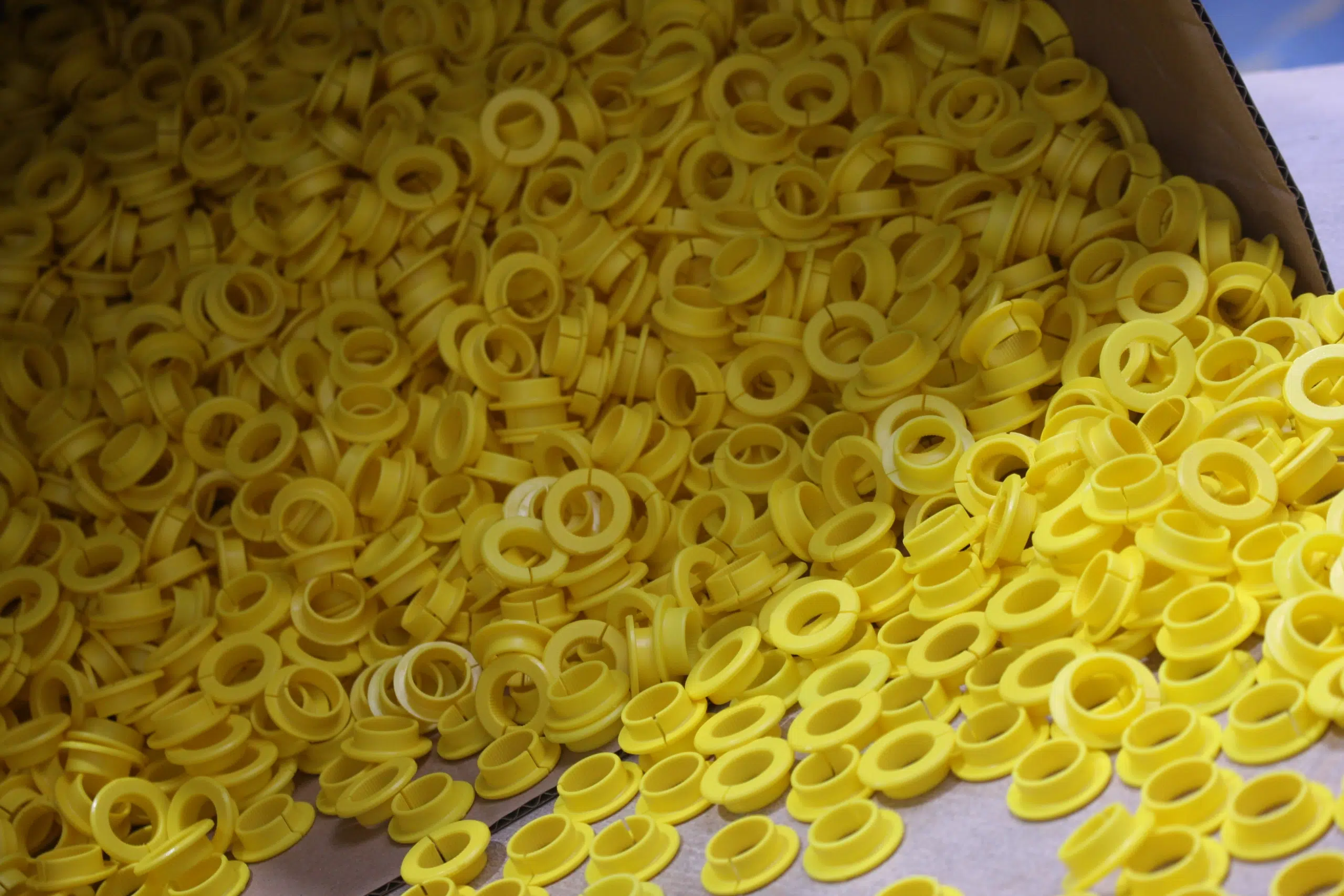
One of the primary advantages of plastic injection moulding is its cost-effectiveness compared to traditional manufacturing methods. The ability to mass-produce components with high precision and consistency results in economies of scale, reducing per-unit costs. Whether it’s producing thousands of solar panel frames or manufacturing numerous wind turbine components, plastic injection moulding allows for efficient and cost-efficient production at scale.
Moreover, plastic injection moulding minimises material waste by utilising precise measurements and tailored mould designs. The process optimises material usage, reducing scrap and minimising environmental impact. This not only helps keep production costs in check but also aligns with the sustainability goals of the renewable energy sector.
In addition to cost-effectiveness, plastic injection moulding contributes to operational efficiency within the renewable energy sector. The streamlined production process, characterised by fast cycle times and high automation potential, enables manufacturers to meet demanding production schedules and reduce time-to-market.
The precision and consistency of plastic injection moulding also translate into enhanced system performance and reliability. By producing components with tight tolerances, the risk of errors, malfunctions, and subsequent maintenance is minimised. This leads to improved operational efficiency, reduced downtime, and increased overall system productivity.
Furthermore, plastic injection moulding facilitates the integration of multiple components into a single part, simplifying assembly and reducing overall system complexity. This translates into faster installation and maintenance processes, enabling technicians to work more efficiently and optimise system uptime.
In the next section, we’ll delve into sustainable practices within plastic injection moulding and how they align with the environmental goals of the renewable energy sector.
Sustainable Practices in Plastic Injection Moulding
As the renewable energy sector strives for sustainability, it’s crucial to ensure that the manufacturing processes align with these environmental goals. In the case of plastic injection moulding, the industry has been actively adopting sustainable practices to minimise its environmental impact. Let’s explore how plastic injection moulding contributes to sustainable manufacturing in the renewable energy sector.
First and foremost, plastic injection moulding has made significant strides in utilising recycled materials. Many manufacturers now incorporate recycled plastics into their production processes, reducing the demand for virgin materials and diverting waste from landfills. This practice helps conserve natural resources and mitigates the environmental impact associated with plastic production.
In addition to incorporating recycled materials, plastic injection moulding is also implementing eco-friendly manufacturing techniques. For instance, advancements in energy-efficient machinery and technologies have reduced the energy consumption during the moulding process. This not only minimises the carbon footprint but also helps lower operational costs.
Furthermore, plastic injection moulding’s efficiency in material utilisation contributes to sustainability. By precisely shaping the plastic material into components, the process minimises waste generation compared to traditional manufacturing methods. Additionally, any excess material can often be recycled and reused, further reducing environmental impact.
Moreover, plastic injection moulding has been exploring biodegradable and bio-based materials as alternatives to traditional plastics. By incorporating these eco-friendly materials into the manufacturing process, the industry is taking steps towards a more sustainable future. Imagine wind turbine blades made from biodegradable composites or solar panel enclosures created from bio-based plastics. These advancements contribute to reducing the environmental footprint of renewable energy systems.
In the next section, we’ll delve into real-life case studies and success stories that highlight the transformative impact of plastic injection moulding on the renewable energy sector.
Future Prospects and Potential Innovations
As the renewable energy sector continues to grow and evolve, the future prospects of plastic injection moulding in driving further advancements are incredibly promising. Let’s explore the potential innovations that lie ahead and the exciting possibilities that plastic injection moulding holds for the renewable energy industry.
1. Advanced Materials: Plastic injection moulding can leverage the development of new materials, such as lightweight and high-strength composites, to enhance the performance and efficiency of renewable energy components. The utilisation of advanced materials can lead to more durable wind turbine blades, efficient solar panel frames, and improved hydroelectric power system components.
2. Integration of Smart Technology: Plastic injection moulding can incorporate embedded sensors, microelectronics, and smart technologies into renewable energy components. This integration enables real-time monitoring, data collection, and remote-control functionalities, leading to optimised energy generation, predictive maintenance, and enhanced system performance.
3. Enhanced Design Optimisation: With advancements in computer-aided design (CAD) software and simulation tools, plastic injection moulding can further optimise the design of renewable energy components. Simulation techniques can analyse stress distribution, fluid dynamics, and structural integrity, resulting in highly efficient and reliable components.
4. Streamlined Manufacturing Processes: The continuous improvement of plastic injection moulding machinery, including faster cycle times, improved automation, and enhanced quality control systems, will further streamline the manufacturing processes. This efficiency will lead to increased productivity, reduced costs, and faster time-to-market for renewable energy systems.
5. Circular Economy Approach: Plastic injection moulding can embrace a circular economy approach by incorporating more recycled and bio-based materials into the manufacturing process. This shift towards sustainable materials and closed-loop recycling systems will reduce environmental impact, minimise waste generation, and support the renewable energy sector’s commitment to sustainability.
6. Additive Manufacturing Integration: The integration of additive manufacturing, such as 3D printing, with plastic injection moulding holds great potential for the renewable energy industry. This combination can facilitate rapid prototyping, customised design iterations, and on-demand production of intricate parts, allowing for greater flexibility, reduced lead times, and enhanced system performance.
These future prospects and potential innovations in plastic injection moulding signify an exciting era for the renewable energy sector. As technologies continue to advance, plastic injection moulding will play a critical role in driving the development of efficient, reliable, and sustainable renewable energy systems.
Plastic injection moulding has emerged as a silent hero in the renewable energy sector, revolutionising the way we harness clean, sustainable energy. Throughout this article, we’ve explored its critical role in transforming the industry and driving advancements in renewable energy systems.
From creating high-quality components with precision and consistency to offering unparalleled design flexibility and customisation, plastic injection moulding empowers the renewable energy sector to thrive. Its cost-effectiveness, operational efficiency, and commitment to sustainable practices further solidify its position as a game-changer in the industry.
Through real-life case studies and success stories, we’ve witnessed how plastic injection moulding has enabled the rapid deployment of solar panels, optimised wind turbine performance, and enhanced hydroelectric power systems. These examples showcase the transformative impact of this manufacturing process on the renewable energy landscape.
Looking towards the future, the prospects for plastic injection moulding in the renewable energy sector are incredibly promising. With advancements in materials, smart technology integration, design optimisation, streamlined manufacturing processes, and a circular economy approach, plastic injection moulding will continue to drive innovation and support the industry’s commitment to sustainability.
As renewable energy enthusiasts, it’s important to recognise the silent hero working behind the scenes, making cleaner energy a reality. Plastic injection moulding may not always be in the spotlight, but its contributions are felt in every solar panel, wind turbine blade, and hydroelectric component. It is the unsung hero that enables the renewable energy sector to thrive and create a greener, more sustainable future for generations to come.
So, next time you admire a solar panel array or witness the graceful rotation of wind turbine blades, remember the silent hero, plastic injection moulding, quietly transforming the renewable energy sector.
Together, let’s celebrate and embrace the remarkable impact of plastic injection moulding in driving the transition to a cleaner, brighter future powered by renewable energy.
READY TO START?
To get your components or sub-assemblies manufactured by us, you can call our team on 01543 462 561 or send an email enquiry to [email protected]. Our team of experts will be in contact within hours to help you with your project.
We can advise on the design of your product to suit the manufacturing processes required. We can organise tooling for you and manage the project for you so that you receive conforming parts at a competitive price. And we’ll keep doing that for you for as many years as you need us to.