Recycling Plastic Toys: What You Need to Know
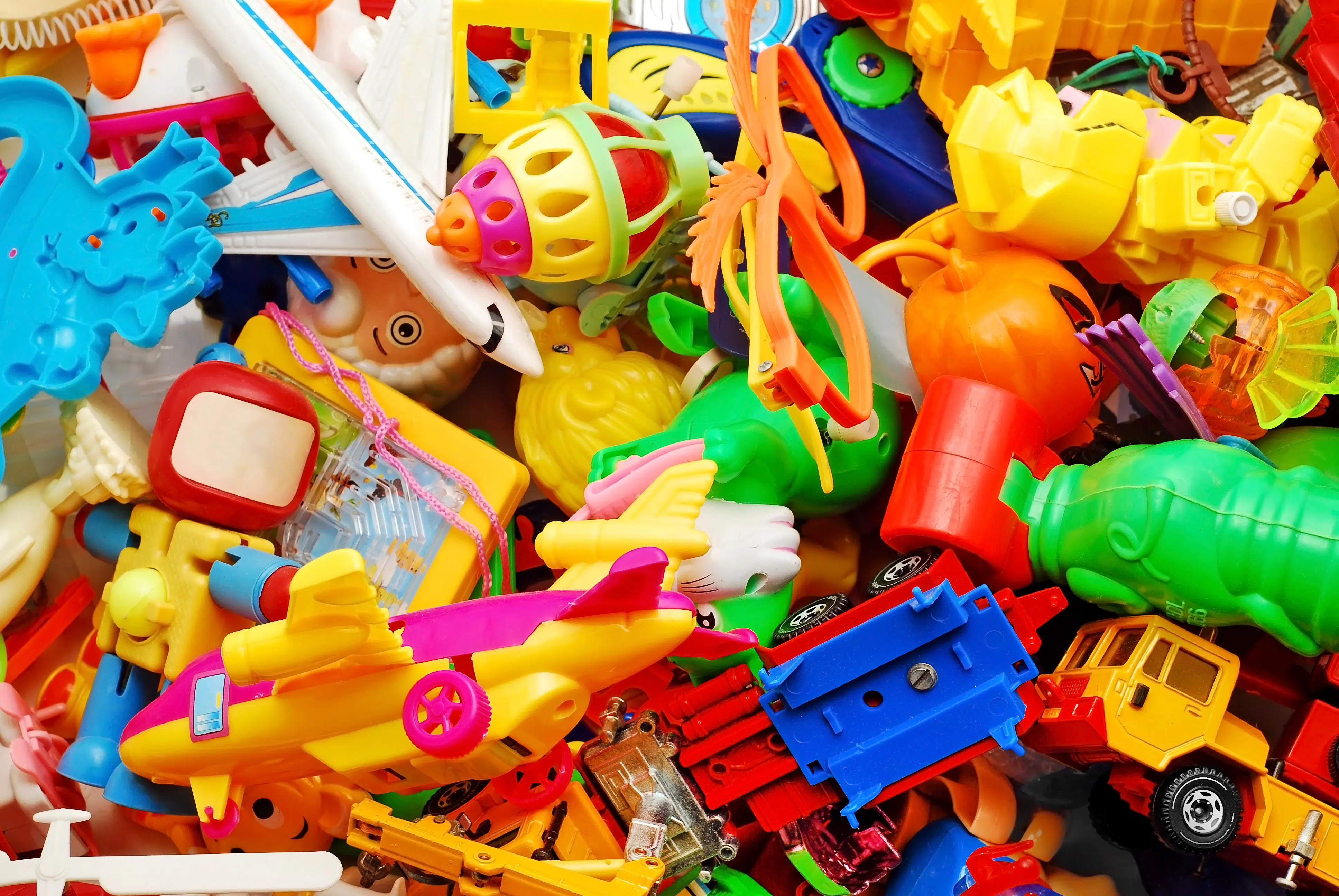
As parents, managing the ever-growing collection of plastic toys that our children accumulate can be quite a challenge. From beloved playthings to forgotten treasures, these items often end up cluttering our homes. But what happens when it’s time to part with these plastic companions? Let’s explore the eco-friendly options for dealing with unwanted plastic toys and delve deeper into the world of plastics and toy manufacturing.
Can Plastic Toys Go in Your Recycling Bin?
The short answer is no. Despite our best intentions to recycle household plastics, plastic toys cannot be placed in your regular recycling bin. Here’s why:
1. Material Composition: Most plastic toys are made from hard plastic, which differs significantly from the soft plastics typically accepted in household recycling.
2. Mixed Materials: Many toys contain a combination of materials, including wood and metal, which would cause problems if included with the rest of your general recycling.
3. Recycling Centre Limitations: Standard recycling facilities are not equipped to handle the complex composition of plastic toys.
Why Are Plastic Toys Challenging to Recycle?
Durability vs. Recyclability
The very qualities that make plastic toys durable and child-friendly also make them difficult to recycle:
– Hard plastics often contain chemicals to ‘bond’ them, which can be problematic during the recycling process.
– The variety of plastics used in toy manufacturing complicates sorting and processing.
Impact on Recycling Streams
Putting plastic toys in your recycling bin can have unintended consequences:
– It can compromise the recycling of other materials in your bin.
– Recycling centres may face increased costs and challenges in sorting and processing mixed materials.
Understanding Plastics in Toy Manufacturing
To better understand the challenges of recycling plastic toys, it’s helpful to know more about the types of plastics commonly used in toy manufacturing:
1. Polyethylene (PE): This is one of the most common plastics used in toys. It’s durable, flexible, and resistant to chemicals. However, it’s not easily recyclable when mixed with other materials.
2. Polypropylene (PP): Known for its strength and heat resistance, PP is often used in toys that need to withstand high temperatures or frequent use.
3. Polyvinyl Chloride (PVC): While less common now due to health concerns, PVC was once widely used in toys due to its durability and low cost. It’s particularly difficult to recycle.
4. Acrylonitrile Butadiene Styrene (ABS): This plastic is known for its strength and is often used in construction toys like LEGO. While technically recyclable, it’s not commonly accepted in household recycling.
5. Thermoplastic Elastomers (TPE): These are increasingly used in toy manufacturing due to their rubber-like properties and potential for recycling. However, they still pose challenges when mixed with other materials.
The Injection Moulding Process in Toy Manufacturing
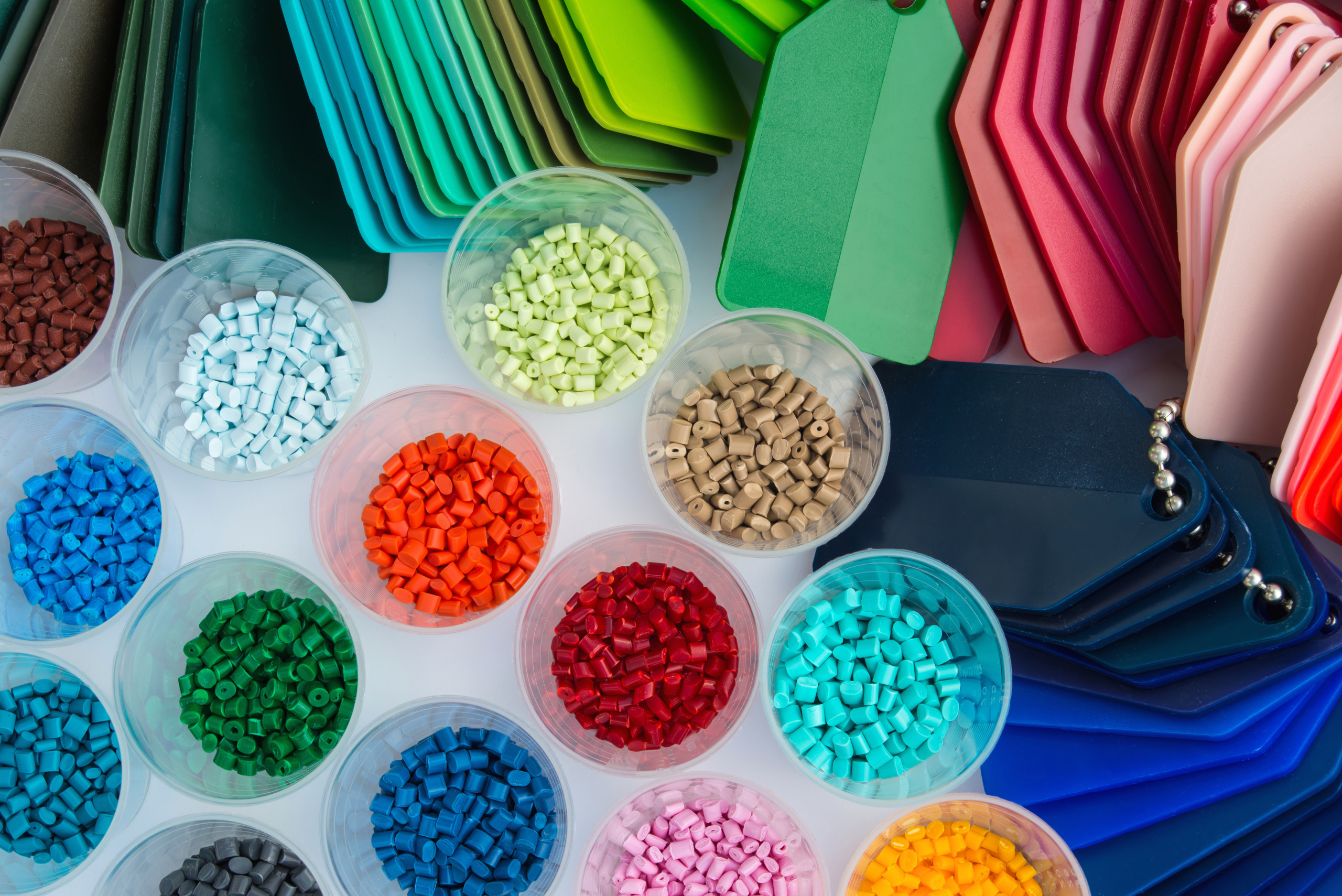
Many plastic toys are produced through a process called injection moulding. Understanding this process can help us appreciate why recycling these toys can be challenging:
1. Material Preparation: Plastic pellets are heated until they melt.
2. Injection: The molten plastic is injected into a mould under high pressure.
3. Cooling: The plastic cools and solidifies in the mould.
4. Ejection: The mould opens, and the finished toy is ejected.
5. Finishing: Any excess plastic is trimmed off, and the toy may be painted or assembled with other parts.
This process often involves mixing different types of plastics or adding chemicals for colour, flexibility, or durability, which complicates recycling.
Responsible Alternatives for Unwanted Plastic Toys
While recycling may not be an option, there are several eco-friendly ways to handle plastic toys you no longer need:
1. Donate to Charity
– Local charity shops often welcome gently used toys.
– Organisations like toy banks distribute toys to children in need.
2. Sell or Give Away
– Consider selling toys at car boot sales or online marketplaces.
– Use local community groups or social media to find new homes for unwanted toys.
3. Upcycle and Repurpose
– Get creative and transform old toys into new, useful items or art projects.
– For example, plastic figurines can become unique bookends or garden ornaments.
4. Check with Specialised Recycling Programmes
– Some manufacturers and retailers offer toy take-back or recycling programmes.
– Certain specialised recycling centres may accept plastic toys – check with your local facilities.
Promoting Sustainable Toy Choices
To reduce the environmental impact of plastic toys in the future, consider these options:
– Choose toys made from sustainable materials like wood or recycled plastics.
– Opt for quality over quantity to reduce overall toy consumption.
– Support toy rental or sharing services in your community.
– Look for toys made from single types of plastic, which are easier to recycle.
The Future of Sustainable Toy Manufacturing
The toy industry is increasingly aware of the environmental challenges posed by plastic toys. Many companies are taking steps towards more sustainable practices:
1. Use of Recycled Materials: Some manufacturers are beginning to use recycled plastics in their toys, reducing the demand for new plastic production.
2. Bio-based Plastics: Research is ongoing into plastics made from renewable resources like corn starch or sugarcane, which could potentially be more environmentally friendly.
3. Design for Recyclability: Companies are exploring ways to design toys that are easier to disassemble and recycle at the end of their life.
4. Circular Economy Models: Some toy companies are experimenting with take-back programmes or toy rental services to keep plastic toys in use for longer.
The Role of Consumers in Sustainable Toy Practices
As consumers, we play a crucial role in driving the shift towards more sustainable toy practices:
1. Mindful Purchasing: Before buying a new toy, consider its longevity and environmental impact.
2. Proper Care: Maintaining toys properly can extend their lifespan, reducing the need for replacements.
3. Educating Children: Teaching children about the environmental impact of their toys can foster a more sustainable mindset from an early age.
4. Supporting Sustainable Brands: Choose to support toy companies that prioritise environmental responsibility.
Conclusion
While plastic toys can’t go in your regular recycling bin, there are numerous ways to responsibly manage them when they’re no longer wanted. By making informed choices about toy disposal and future purchases, we can all contribute to a more sustainable approach to children’s playthings.
Remember, the most eco-friendly toy is one that’s loved for a long time and passed on to bring joy to others when outgrown. As we move towards a more sustainable future, it’s crucial that we consider the entire lifecycle of toys – from production to disposal – and make choices that minimise their environmental impact.
By understanding the complexities of plastic toy manufacturing and recycling, we can make more informed decisions and work towards a future where play and environmental responsibility go hand in hand.
READY TO START?
To get your components or sub-assemblies manufactured by us, you can call our team on 01543 462 561 or send an email enquiry to [email protected]. Our team of experts will be in contact within hours to help you with your project.
We can advise on the design of your product to suit the manufacturing processes required. We can organise tooling for you and manage the project for you so that you receive conforming parts at a competitive price. And we’ll keep doing that for you for as many years as you need us to.