What are the Top 10 Common Materials Used in Plastic Injection Moulding?
Understanding material selection is a key part of working with a plastic injection moulding partner — the right choice affects everything from part performance to production cost. The selection of materials plays a pivotal role in determining the success of the moulding process and the properties of the final product. In this article, we delve into the top 10 common materials used in plastic injection moulding, exploring their characteristics, applications and the considerations that go into choosing the right material for a given project.
Definition of Plastic Injection Moulding
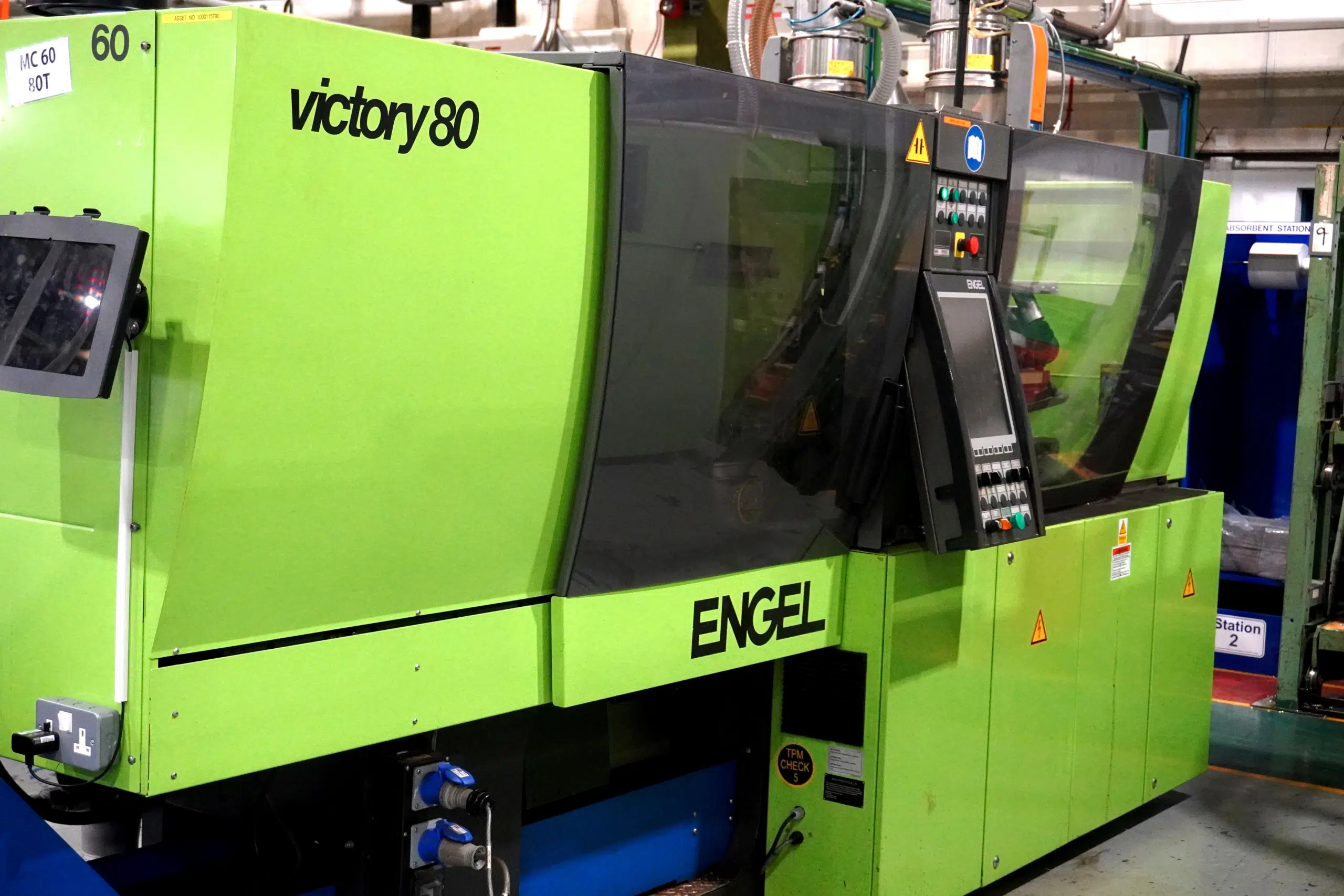
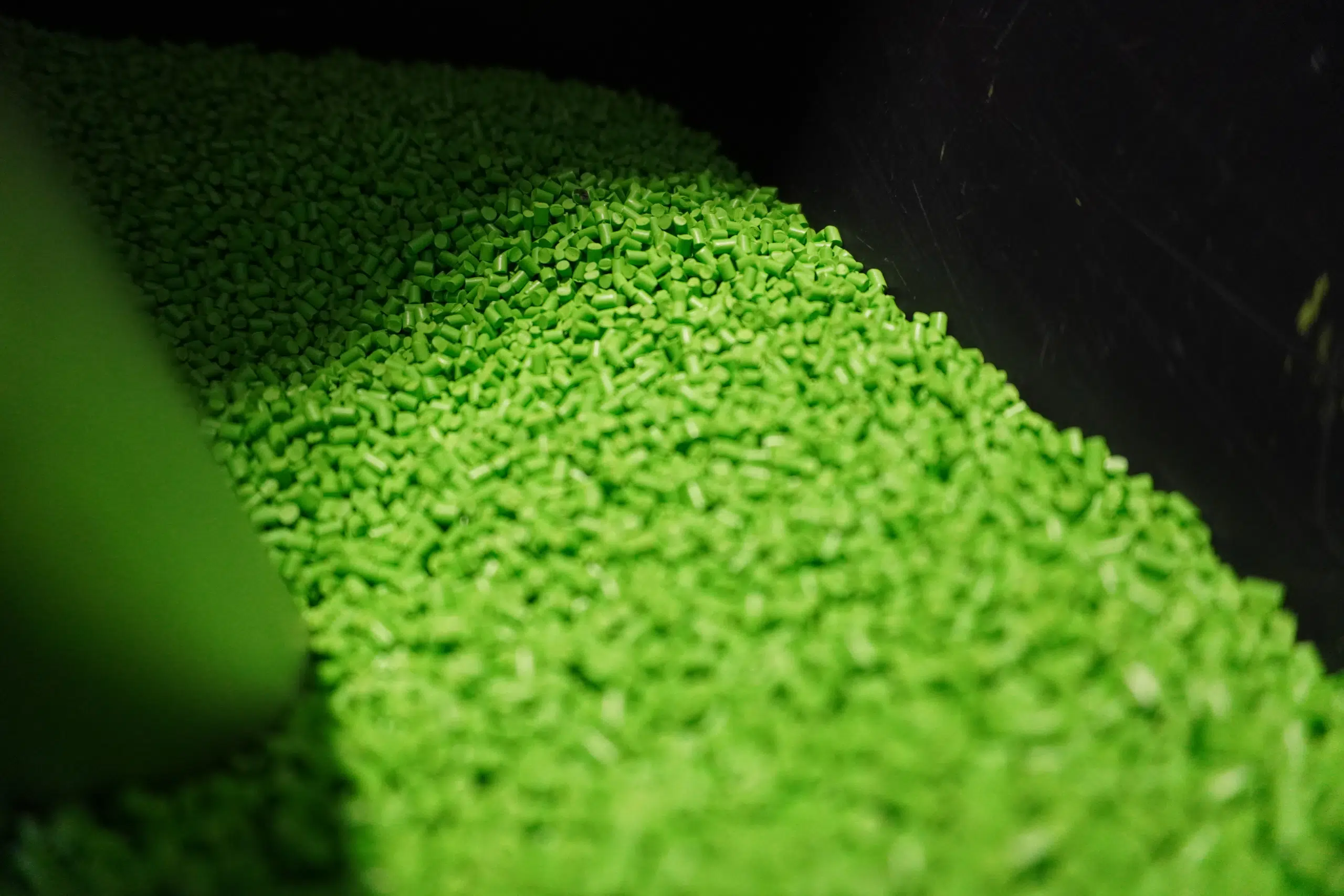
Plastic injection moulding is a manufacturing process that involves melting plastic pellets and injecting the molten material into a mould to create a specific shape. This widely-used technique is known for its efficiency, precision and ability to produce complex parts with consistency.
Why Businesses Should Choose a UK Manufacturer for High-Volume Injection Moulding
Significance of Materials in the Process
The choice of materials in plastic injection moulding significantly impacts the final product’s quality, strength and functionality. Manufacturers must carefully consider various factors to ensure optimal results.
Importance of Material Selection
Impact on Product Properties
The material used directly influences the mechanical, thermal and chemical properties of the moulded product. From flexibility to heat resistance, each material brings its unique characteristics to the table.
Considerations for Material Selection
Factors such as the intended use, desired appearance and cost considerations all play a crucial role in determining the most suitable material for a specific application.
Top 10 Common Materials
Polyethylene (PE)
Overview
Polyethylene, known for its versatility, is a widely-used material in injection moulding due to its low cost and ease of processing.
Applications
PE finds applications in various industries, including packaging, automotive components and household goods.
Polypropylene (PP)
Characteristics
Polypropylene is valued for its high chemical resistance and excellent fatigue resistance.
Common Uses
PP is commonly used in the production of packaging, medical devices and automotive parts.
Acrylonitrile Butadiene Styrene (ABS)
Properties
ABS boasts high impact resistance and is well-suited for products requiring both strength and flexibility.
Advantages in Moulding
ABS is frequently chosen for consumer goods, electronics and automotive components.
Polycarbonate (PC)
Strengths and Weaknesses
Polycarbonate offers exceptional transparency and impact resistance but may be susceptible to scratching.
Ideal Applications
PC is often used in optical applications, electronics and medical devices.
Polyethylene Terephthalate (PET)
Features
PET is known for its clarity, strength and recyclability, making it suitable for food packaging and beverage containers.
Common Industries
PET is extensively used in the production of bottles, textile fibres and film.
Polyvinyl Chloride (PVC)
Versatility
PVC’s versatility makes it suitable for a wide range of applications, including construction, healthcare, and electronics.
Considerations in Moulding
Moulding PVC requires attention to processing parameters to prevent degradation.
Polystyrene (PS)
Characteristics
Polystyrene offers good moldability but may be prone to brittleness.
Moulding Challenges
Addressing issues like warping and dimensional stability is crucial when using PS.
Nylon (PA)
Strengths
Nylon’s strength, flexibility, and chemical resistance make it ideal for engineering applications.
Applications in Moulding
Nylon is commonly used in gears, bearings and other mechanical components.
Polyurethane (PU)
Unique Qualities
Polyurethane provides excellent abrasion resistance and can be tailored for specific applications.
Niche Applications
PU is often chosen for products like wheels, seals and custom-moulded parts.
Polymethyl Methacrylate (PMMA)
Optical Clarity
PMMA, known for its optical clarity, is used in products where transparency is essential.
Usages in Moulding
PMMA is employed in the production of lighting fixtures, signage and automotive components.

Factors Affecting Material Choice
Product Requirements
Understanding the specific requirements of the end product is crucial in selecting the right material.
Environmental Considerations
Eco-friendly options and recyclability are becoming increasingly important considerations in material selection.
Cost-Effectiveness
Balancing performance with cost is essential for manufacturers aiming for economic efficiency.
Challenges in Plastic Injection Moulding
Material-Specific Challenges
Different materials present unique challenges, such as cooling rates, shrinkage and warping, which must be addressed during the moulding process.
Strategies to Overcome Challenges
Implementing precise process controls, optimising mould design and experimenting with different parameters are strategies to overcome material-specific challenges.
Innovations in Material Development
Emerging Materials
Ongoing research is leading to the development of new materials with enhanced properties, broadening the possibilities for plastic injection moulding.
Sustainable Options
The industry is increasingly adopting sustainable materials to reduce the environmental impact of plastic injection moulding.
Future Trends
Advancements in Material Science
Continuous advancements in material science are expected to result in materials with improved performance and novel properties.
Environmental Impact Considerations
The future will likely witness a stronger focus on materials with minimal environmental impact, driving the industry toward more sustainable practices.
Conclusion
In summary, the top 10 common materials in plastic injection moulding offer a diverse range of properties and applications, catering to the needs of various industries.
Choosing the right material is a critical step in the plastic injection moulding process, influencing the product’s functionality, durability, and overall success. Understand the key factors in choosing a plastic injection moulding service.
FAQs
1. Is it possible to use multiple materials in a single injection moulding process?
Yes, multi-material injection moulding allows the creation of products with different materials in specific areas for enhanced functionality.
2. What factors should be considered when selecting a material for medical device manufacturing?
Factors such as biocompatibility, sterilisation methods and regulatory compliance are crucial in choosing materials for medical applications.
3. Are sustainable materials more expensive than traditional ones in injection moulding?
Initially, some sustainable materials may have a higher cost, but long-term benefits and market demand are driving increased affordability.
4. How do material advancements contribute to product innovation in injection moulding?
New materials with unique properties open avenues for innovative product designs, pushing the boundaries of what is possible.
5. What steps can manufacturers take to minimise the environmental impact of plastic injection moulding?
Implementing recycling programs, using bio-based materials and optimising manufacturing processes are effective ways to reduce environmental impact.
READY TO START?
To get your components or sub-assemblies manufactured by us, you can call our team on 01543 462 561 or send an email enquiry to [email protected]. Our team of experts will be in contact within hours to help you with your project.
We can advise on the design of your product to suit the manufacturing processes required. We can organise tooling for you and manage the project for you so that you receive conforming parts at a competitive price. And we’ll keep doing that for you for as many years as you need us to.