Different Types of Plastic Injection Moulding
Injection Moulding
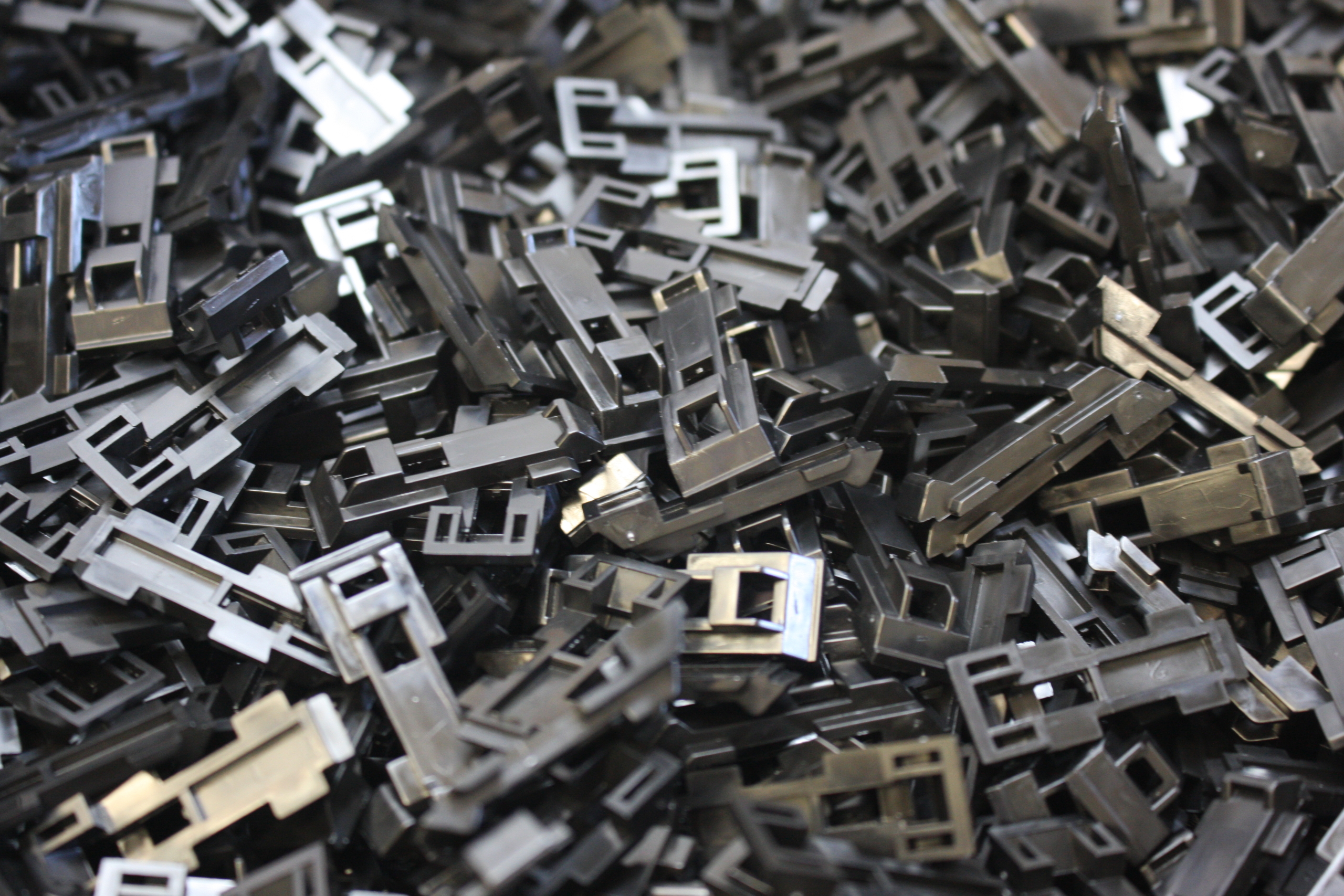
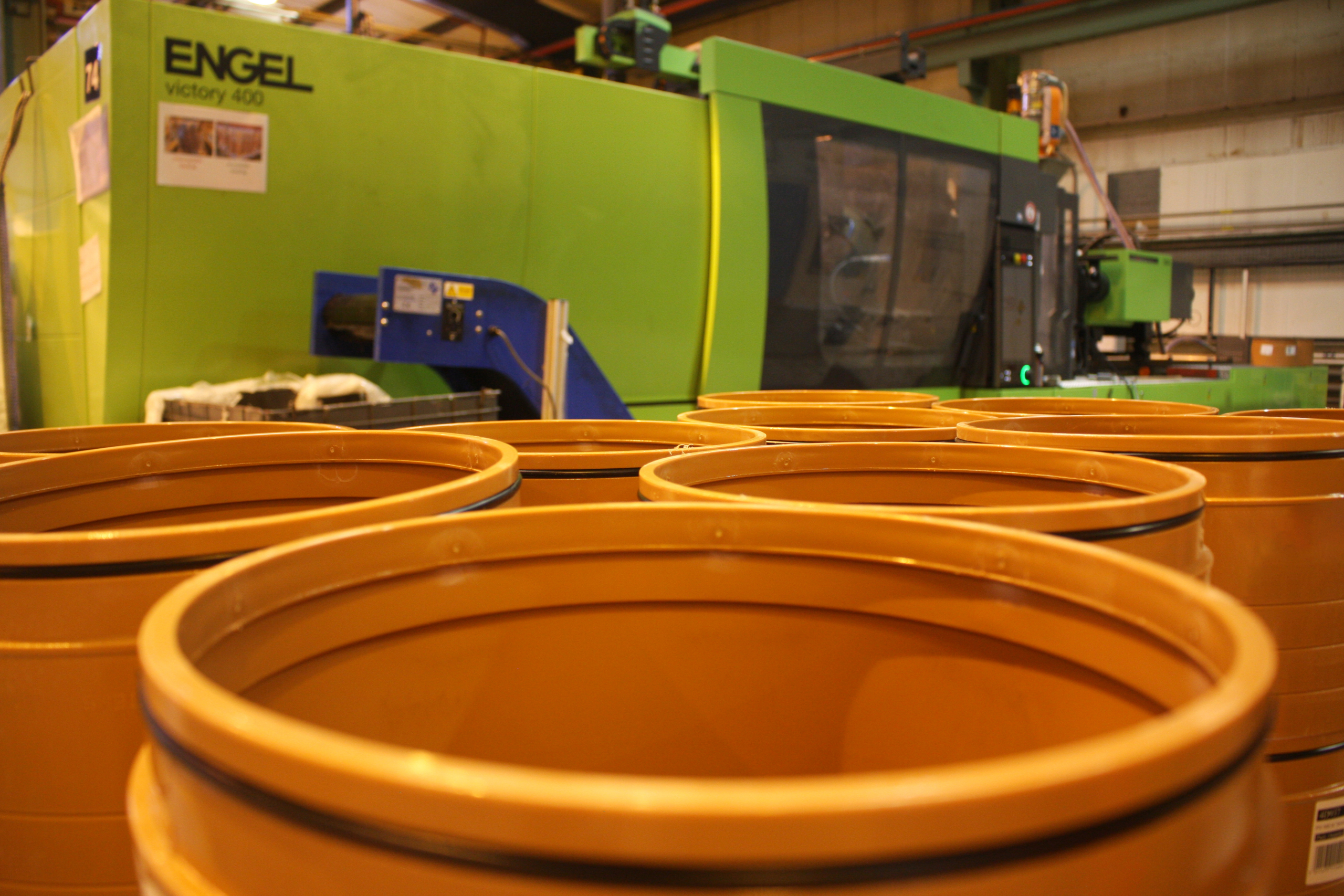
The process of mass-producing plastic parts and components out of melted plastics and polymers is known as injection moulding. These are pressed into a cavity of a mould that has been specially shaped, allowed to solidify, and then removed from the mould once cool. Very efficient for high volume production and prototype solid goods like toys, phone parts, automotive parts, kitchenware and medical devices. You can explore our article on tooling design and cost considerations to understand what influences tooling investment and project budgets. To find out how Goodfish can support your production requirements, visit our plastic injection moulding services page.
Learn more about our injection moulding solutions
Blow Moulding
In contrast to injection moulding, which uses a similar process, blow moulding uses a special tube to pour melted plastic vertically out of a barrel and into the mould. The plastic is then blown outward as the mould closes around it, coating the inside of the mould and creating the desired shape. It works well for bottles, food containers, and tubes because the inner section hollows out as it cools.
Looking for high-accuracy moulded parts?
If your application demands tight tolerances and consistent part quality, learn more about our precision injection moulding service and how it supports medical, automotive and electronics projects at scale.
Thermoforming
Injection moulding and other techniques that use melted plastic take a different approach than thermoforming. Heat is applied to rigid, pre-extruded plastic sheets before they are sucked into the hollowed-out cavities. The finished piece is formed as the sheets cool and assume the shape of the mould. Typically, this is a less expensive method of producing plastic parts with a smaller run than anything that is being mass-produced.
Structural Foam Moulding
This approach is frequently used for products that require thicker walls for increased tensile strength and durability. To thicken the consistency of the melted plastic, a small amount of nitrogen or a chemical blow agent is added. As the mixture enters the mould, it foams, creating a plastic “skin” that solidifies to form the wall of the object being built. Any thermoplastic that can be injection moulded can be used with this technique.
Compression Moulding
In contrast to horizontal presses used in injection moulding, compression moulding employs vertical presses. To create the desired shape, the plastic material is pressed between the two heated mould halves. Then it is extracted, air-cooled, and given to quality control. This process has reasonably expensive production costs, but it produces excellent outcomes with high levels of accuracy. For high-volume, repeatable production using injection moulding, explore our plastic injection moulding services.
3D Printing
3D printing, in contrast to injection moulding, is a much more recent technology that came on the scene much later. It was mainly employed for producing prototypes and creating new products. It has developed into an effective solution for many large-scale manufacturing projects.
3D printing is a cost effective solution as it doesn’t require extra tooling or setup expenses. As a result, it is much quicker than plastic injection molding, making it the best option for producing small to medium volumes of parts. Additionally, 3D printing makes it possible to efficiently create intricate geometries, organic shapes, and internal features that aren’t always possible to do with injection moulding.
Rotational Moulding
Using a specially designed mould, powdered plastic is fixed around spokes that radiate out from a central hub in this process. The plastic powder melts and adheres to the inside of the mould as the hub moves into a furnace room as the mould rotates.
The hub is then moved to a cooling area, where the hot plastic cools and solidifies to form a hollow component that precisely matches the mold’s shape. Although slightly more expensive, this method is a good choice for prototypes and small-batch production of highly accurate items.
Gas Assist Moulding
Last but not least, gas assist moulding produces hollow plastic parts that the customer requires using gas injection moulding techniques. A jet of high-pressure inert gas, such as nitrogen, is then used to force the hot plastic into the proper position against the mould’s walls after it has been partially added to the mould. Up until the desired wall thickness is reached, the procedure is repeated.
READY TO START?
To get your components or sub-assemblies manufactured by us, you can call our team on 01543 462 561 or send an email enquiry to [email protected]. Our team of experts will be in contact within hours to help you with your project.
We can advise on the design of your product to suit the manufacturing processes required. We can organise tooling for you and manage the project for you so that you receive conforming parts at a competitive price. And we’ll keep doing that for you for as many years as you need us to.
Learn more about our plastic injection moulding services and how we work with UK manufacturers across automotive, medical and construction sectors.