What is Nylon 66 Plastic?
Nylon 66 is a thermoplastic polymer that is known for its strength, durability, and excellent mechanical properties, which make it widely used in manufacturing. It is a versatile material that can be moulded into different shapes and forms and is used in a wide range of applications, including fibers, fabrics, automotive parts, electrical components, and industrial machinery. Nylon 66 is highly resistant to abrasion, impact, and fatigue, and has excellent chemical resistance to oils, solvents, and fuels, making it suitable for use in harsh environments. It is also used in the production of consumer goods such as sports equipment, electronic housings, and kitchen appliances, thanks to its toughness and high impact resistance.
Need nylon parts moulded? We mould PA6, PA66 and glass-filled nylon at high volume in the UK. See our nylon injection moulding service.

Properties of Nylon 66 Plastic
Nylon 66 is a material that possesses several properties that make it suitable for use in manufacturing. These properties include:
- High strength and impact resistance: Nylon 66 is known for its toughness and high impact resistance, which make it suitable for applications that require strength and durability.
- Chemical resistance: Nylon 66 is highly resistant to chemicals, oils, and fuels, which make it ideal for use in chemical processing and other industrial applications.
- Heat resistance: Nylon 66 has good heat resistance, allowing it to withstand exposure to high temperatures without deforming or breaking down.
- Dimensional stability: Nylon 66 has excellent dimensional stability, meaning it retains its shape and size even when exposed to changes in temperature and humidity. This makes it suitable for use in precision parts and components that require tight tolerances.
Uses of Nylon 66 Plastic
Nylon 66 is a material that is widely used in various applications due to its beneficial properties. Some of the common uses of Nylon 66 include:
- Fibres and fabrics: Nylon 66 is commonly used to make synthetic fibers and fabrics, including clothing, carpeting, and upholstery.
- Automotive parts: Nylon 66 is used to make automotive parts such as engine components, fuel tanks, and brake pedals due to its high strength and heat resistance.
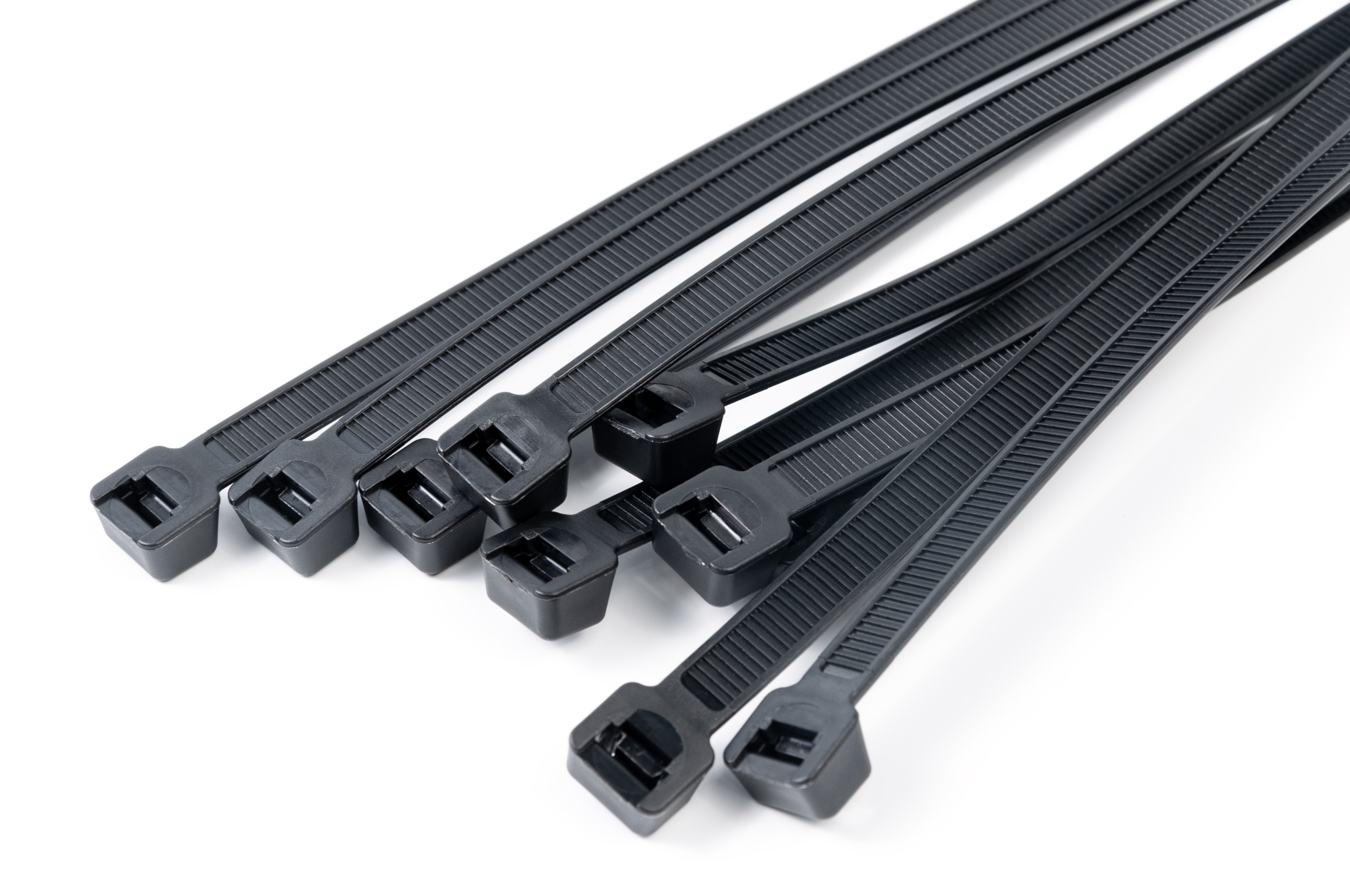
- Electrical components: Nylon 66 is used to make electrical components such as cable ties, connectors, and insulators due to its excellent dielectric properties.
- Industrial machinery: Nylon 66 is used to make parts for industrial machinery such as gears, bearings, and conveyor belts due to its high strength and abrasion resistance.
- Consumer goods: Nylon 66 is used to make a variety of consumer goods such as sports equipment, luggage, and backpacks due to its toughness and durability.
Nylon 66 is regularly processed through plastic injection moulding to produce high-strength, heat-resistant components for automotive and industrial applications. See our nylon injection moulding service.
Advantages of Nylon 66 Plastic
Nylon 66 offers several advantages over other thermoplastics, including:
- High strength and toughness: Nylon 66 handles repeated loading and impact without cracking, making it a strong choice for clips, brackets and load-bearing parts.
- Heat resistance: It has a higher melting point than Nylon 6 and keeps its strength at temperatures that would soften commodity plastics, which suits under-bonnet and electrical applications.
- Wear and abrasion resistance: Low friction and good wear resistance make it ideal for gears, bushes and sliding parts.
- Chemical resistance: Nylon 66 resists oils, fuels, greases and many solvents, so it performs well in harsh environments.
- Glass-filled options: Adding glass fibre makes Nylon 66 much stiffer and more dimensionally stable, and it often replaces metal in structural parts.
Disadvantages of Nylon 66 Plastic
Nylon 66 also has some limitations to consider, including:
- Moisture absorption: Nylon 66 absorbs moisture from the air, which can change its dimensions and mechanical properties slightly. This needs allowing for in parts with tight tolerances.
- UV resistance: Standard grades can degrade with long-term outdoor exposure. UV-stabilised grades are available for outdoor parts.
- Demanding to process: It must be dried before moulding and has a narrow processing window, so it's best moulded by a supplier who runs it regularly.
- Shrinkage and warping: Nylon 66 shrinks more than plastics such as ABS or polycarbonate, so tools and part designs need to allow for it.
- Acid resistance: It is attacked by strong acids, so it isn't suitable for every chemical environment.
Conclusion
Nylon 66 is a versatile and widely used material that offers several advantages over other thermoplastic polymers. It is used in diverse applications, including automotive, aerospace, and consumer goods industries. While Nylon 66 has some limitations, its exceptional toughness, chemical resistance, and ease of processing make it a popular choice for various industrial and consumer applications. Manufacturers should consider the specific requirements of their application when selecting materials to ensure optimal performance and durability. Overall, Nylon 66 is a reliable and cost-effective material that is likely to continue to play a critical role in manufacturing for years to come.