What is LDPE Plastic?
Low Density Polyethylene (LDPE) is a type of thermoplastic polymer that has a lower density and greater flexibility compared to other types of polyethylene. It is produced through the polymerisation of ethylene molecules under high pressure and high temperature, resulting in a polymer with a branched structure. LDPE is known for its excellent chemical resistance, good electrical insulation properties, and ease of processing and manufacturing. It is used in a wide range of applications, including packaging, agriculture, construction, and electrical cable insulation. LDPE is one of many thermoplastic materials used in our plastic injection moulding services for UK manufacturers.
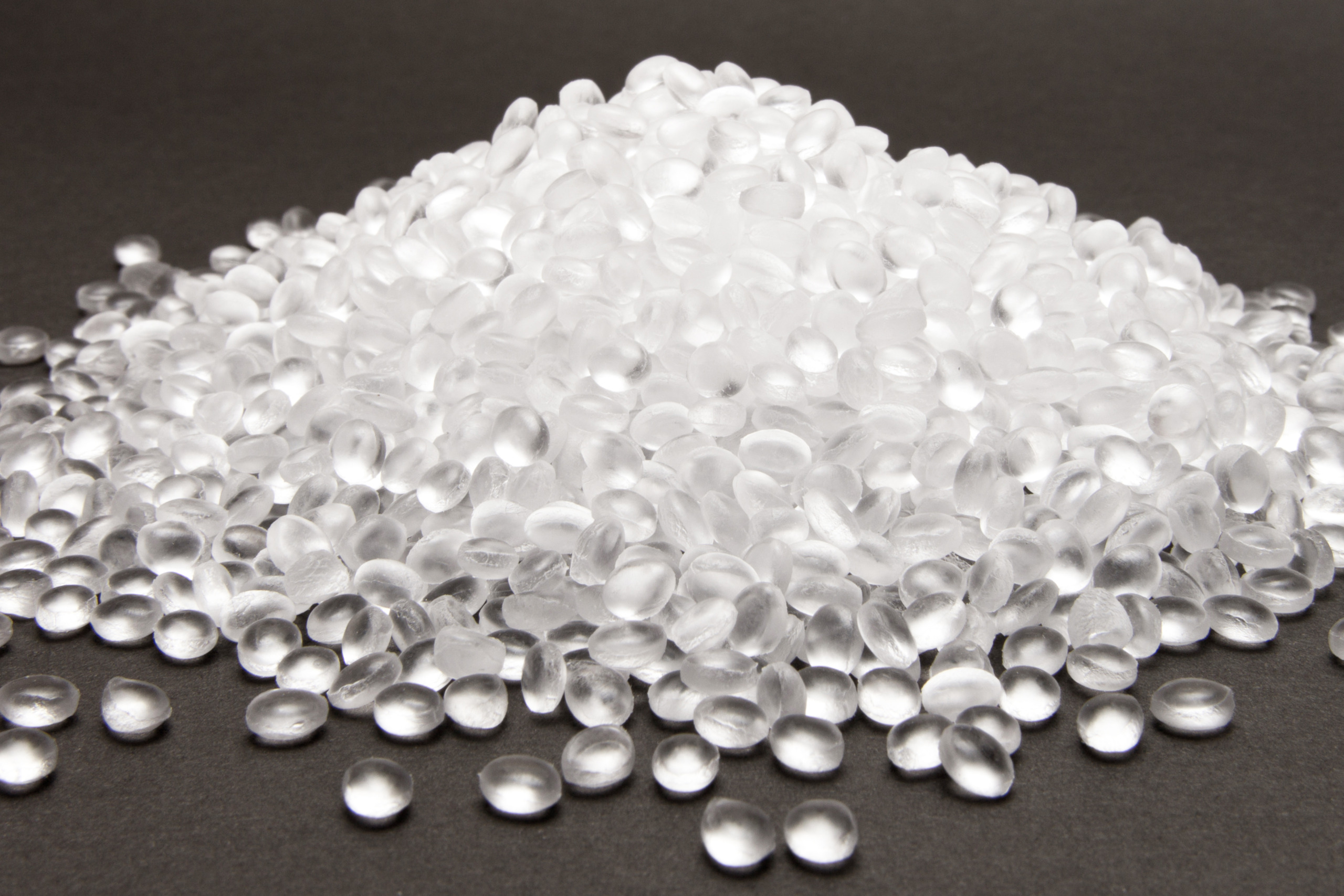
Properties of LDPE Plastic
LDPE plastic has several properties that make it ideal for use in manufacturing. Some of these properties include:
- Low density: LDPE plastic has a lower density (0.91-0.93 g/cm³) compared to other types of polyethylene, making it lightweight and easy to handle.
- Flexibility: LDPE plastic is highly flexible and has good ductility, which allows it to be used in products that require bending or shaping.
- Chemical resistance: LDPE plastic is highly resistant to many chemicals, making it suitable for use in industrial and laboratory settings where it may come into contact with various substances.
- Electrical insulation properties: LDPE plastic is a good electrical insulator, making it suitable for use in electrical cable insulation and other applications that require electrical insulation.
- Moisture barrier: LDPE plastic has good moisture resistance, which makes it suitable for use in products that need to be protected from moisture.
- UV resistance: LDPE plastic is resistant to UV radiation and weathering, which makes it suitable for outdoor applications where it may be exposed to sunlight.
- Easy to process: LDPE plastic is easy to process and manufacture, which makes it a popular choice for various applications.
- Recyclable: LDPE plastic is recyclable, which means it can be reused to make new products, reducing waste and promoting sustainability.
Uses of LDPE Plastic
LDPE plastic is used in a wide range of applications due to its properties. Some of the common uses of LDPE plastic include:
- Packaging: LDPE plastic is commonly used for packaging materials, such as plastic bags, shrink wrap, and cling film due to its flexibility, strength, and ability to resist moisture and chemicals.
- Agriculture: LDPE plastic is used in agriculture for various applications such as greenhouse film, crop covers, and irrigation tubing due to its UV resistance, flexibility, and durability.
- Construction: LDPE plastic is used in construction for applications such as protective sheeting, damp proof membrane, and pipe insulation due to its moisture resistance, flexibility, and ease of processing.
- Electrical cable insulation: LDPE plastic is used to insulate electrical cables due to its good electrical insulation properties and ability to resist moisture and chemicals.
- Medical equipment: LDPE plastic is used in medical equipment for applications such as disposable syringes, medical tubing, and intravenous bags due to its excellent chemical resistance and low toxicity.
If you’re using LDPE in your products, it’s important to choose an injection moulding service that understands how to get the best performance from this material, especially when quality and repeatability matter.

Advantages of LDPE Plastic
LDPE plastic offers several advantages over other materials, including:
- Low density: LDPE plastic is lightweight, making it easy to handle and transport.
- Flexibility: LDPE plastic is highly flexible, which allows it to be used in products that require bending or shaping.
- Chemical resistance: LDPE plastic is highly resistant to many chemicals, making it suitable for use in industrial and laboratory settings.
- Moisture barrier: LDPE plastic has good moisture resistance, which makes it suitable for use in products that need to be protected from moisture.
- Easy to process: LDPE plastic is easy to process and manufacture, which makes it a popular choice for various applications.
- Recyclable: LDPE plastic is recyclable, which means it can be reused to make new products, reducing waste and promoting sustainability.
For manufacturers producing in large quantities, LDPE is often used in high-volume injection moulding processes due to its ease of processing and flexibility.
Disadvantages of LDPE Plastic
LDPE plastic also has some disadvantages, including:
- Low strength: LDPE plastic is not as strong as some other types of plastic, which may limit its use in certain applications.
- Low melting point: LDPE plastic has a low melting point, which can make it unsuitable for use in products that are exposed to high temperatures.
- UV degradation: LDPE plastic can degrade over time when exposed to UV radiation, which can limit its use in outdoor applications.
- Poor gas barrier: LDPE plastic has poor gas barrier properties, which can limit its use in certain packaging applications where the product needs to be protected from air or gases.
Conclusion
LDPE plastic is a versatile thermoplastic polymer that offers several advantages over other materials. It is commonly used in packaging, agriculture, construction, and electrical cable insulation, among other applications. While it has some limitations, such as its low strength and UV degradation, its flexibility, chemical resistance, and ease of processing make it a popular choice for various industries. Additionally, its low density and recyclability make it an attractive option for reducing waste and promoting sustainability.
Explore Our Insights