What is Nylon 66 Plastic?
Nylon 66 is a thermoplastic polymer that is known for its strength, durability, and excellent mechanical properties, which make it widely used in manufacturing. It is a versatile material that can be moulded into different shapes and forms and is used in a wide range of applications, including fibers, fabrics, automotive parts, electrical components, and industrial machinery. Nylon 66 is highly resistant to abrasion, impact, and fatigue, and has excellent chemical resistance to oils, solvents, and fuels, making it suitable for use in harsh environments. It is also used in the production of consumer goods such as sports equipment, electronic housings, and kitchen appliances, thanks to its toughness and high impact resistance.

Properties of Nylon 66 Plastic
Nylon 66 is a material that possesses several properties that make it suitable for use in manufacturing. These properties include:
- High strength and impact resistance: Nylon 66 is known for its toughness and high impact resistance, which make it suitable for applications that require strength and durability.
- Chemical resistance: Nylon 66 is highly resistant to chemicals, oils, and fuels, which make it ideal for use in chemical processing and other industrial applications.
- Heat resistance: Nylon 66 has good heat resistance, allowing it to withstand exposure to high temperatures without deforming or breaking down.
- Dimensional stability: Nylon 66 has excellent dimensional stability, meaning it retains its shape and size even when exposed to changes in temperature and humidity. This makes it suitable for use in precision parts and components that require tight tolerances.
Uses of Nylon 66 Plastic
Nylon 66 is a material that is widely used in various applications due to its beneficial properties. Some of the common uses of Nylon 66 include:
- Fibres and fabrics: Nylon 66 is commonly used to make synthetic fibers and fabrics, including clothing, carpeting, and upholstery.
- Automotive parts: Nylon 66 is used to make automotive parts such as engine components, fuel tanks, and brake pedals due to its high strength and heat resistance.
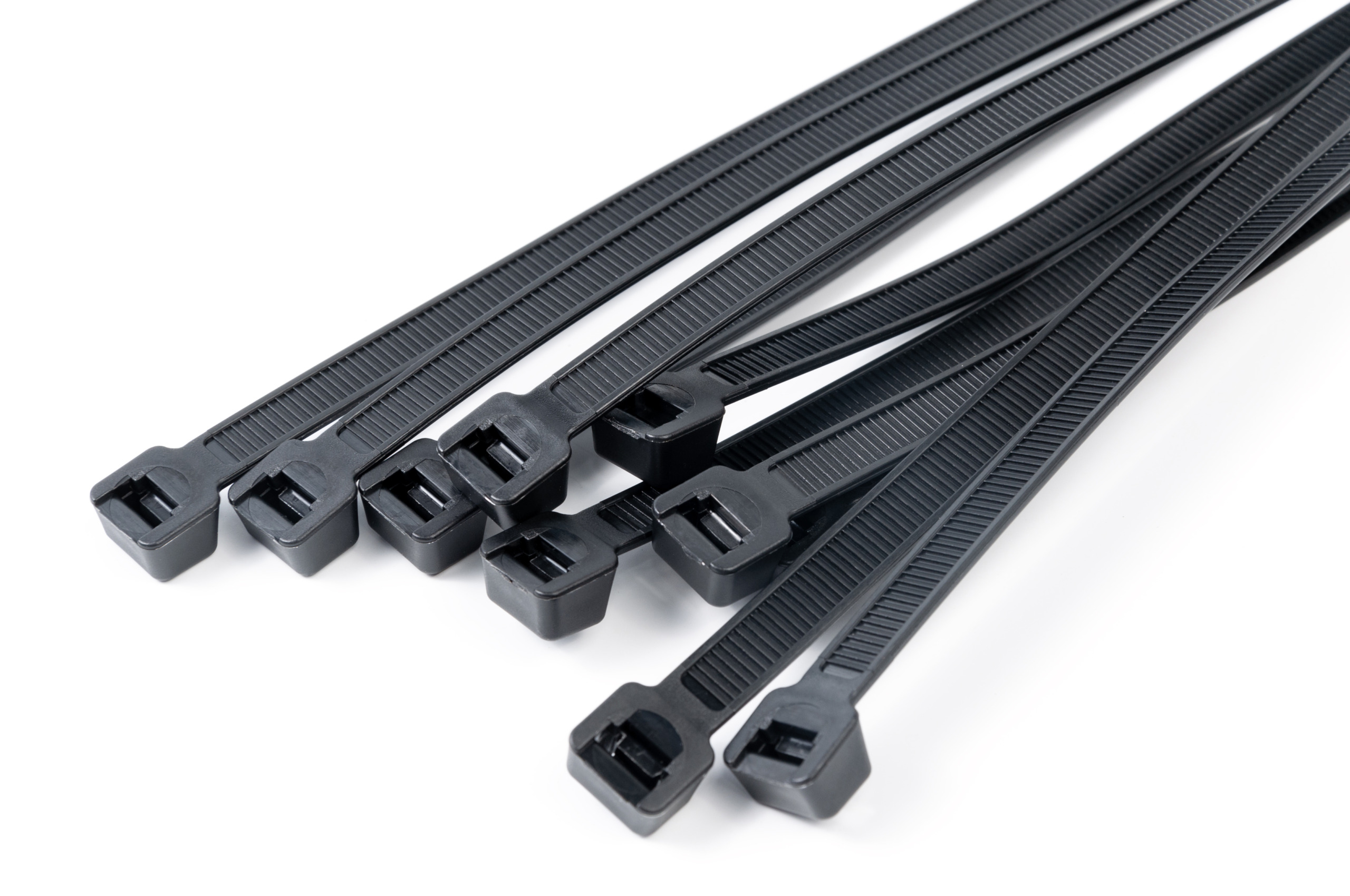
- Electrical components: Nylon 66 is used to make electrical components such as cable ties, connectors, and insulators due to its excellent dielectric properties.
- Industrial machinery: Nylon 66 is used to make parts for industrial machinery such as gears, bearings, and conveyor belts due to its high strength and abrasion resistance.
- Consumer goods: Nylon 66 is used to make a variety of consumer goods such as sports equipment, luggage, and backpacks due to its toughness and durability.
Nylon 66 is regularly processed through plastic injection moulding to produce high-strength, heat-resistant components for automotive and industrial applications.
Advantages of ABS Plastic
Nylon 66 offers several advantages over other materials, including:
- High strength and toughness: Nylon 66 is known for its exceptional toughness and high strength, making it an excellent choice for applications that require durability and impact resistance.
- Chemical and abrasion resistance: Nylon 66 has excellent chemical resistance to oils, solvents, and fuels, and it is highly resistant to abrasion, making it ideal for use in harsh environments.
- Ease of processing: Nylon 66 is easy to process using various manufacturing techniques such as injection moulding, extrusion, and blow molding, allowing manufacturers to produce complex parts and components with relative ease.
- Wide range of applications: Nylon 66 finds use in a diverse range of applications due to its beneficial properties, including automotive, aerospace, electrical, and consumer goods industries.
Disadvantages of ABS Plastic
Nylon 66 also has some disadvantages, including:
- Poor UV resistance: Nylon 66 is not suitable for extended outdoor use as it can be vulnerable to degradation by UV radiation, which can cause discoloration and loss of mechanical properties over time.
- Moisture absorption: Nylon 66 has a relatively high moisture absorption rate, which can cause dimensional changes and reduce its mechanical properties. This property can be a disadvantage in humid environments.
- Sensitive to high temperatures: Nylon 66 has a lower heat deflection temperature compared to other engineering plastics, and it may not be suitable for high-temperature applications that require prolonged exposure to elevated temperatures.
Conclusion
Nylon 66 is a versatile and widely used material that offers several advantages over other thermoplastic polymers. It is used in diverse applications, including automotive, aerospace, and consumer goods industries. While Nylon 66 has some limitations, its exceptional toughness, chemical resistance, and ease of processing make it a popular choice for various industrial and consumer applications. Manufacturers should consider the specific requirements of their application when selecting materials to ensure optimal performance and durability. Overall, Nylon 66 is a reliable and cost-effective material that is likely to continue to play a critical role in manufacturing for years to come.